Last updated: 14 May 2026
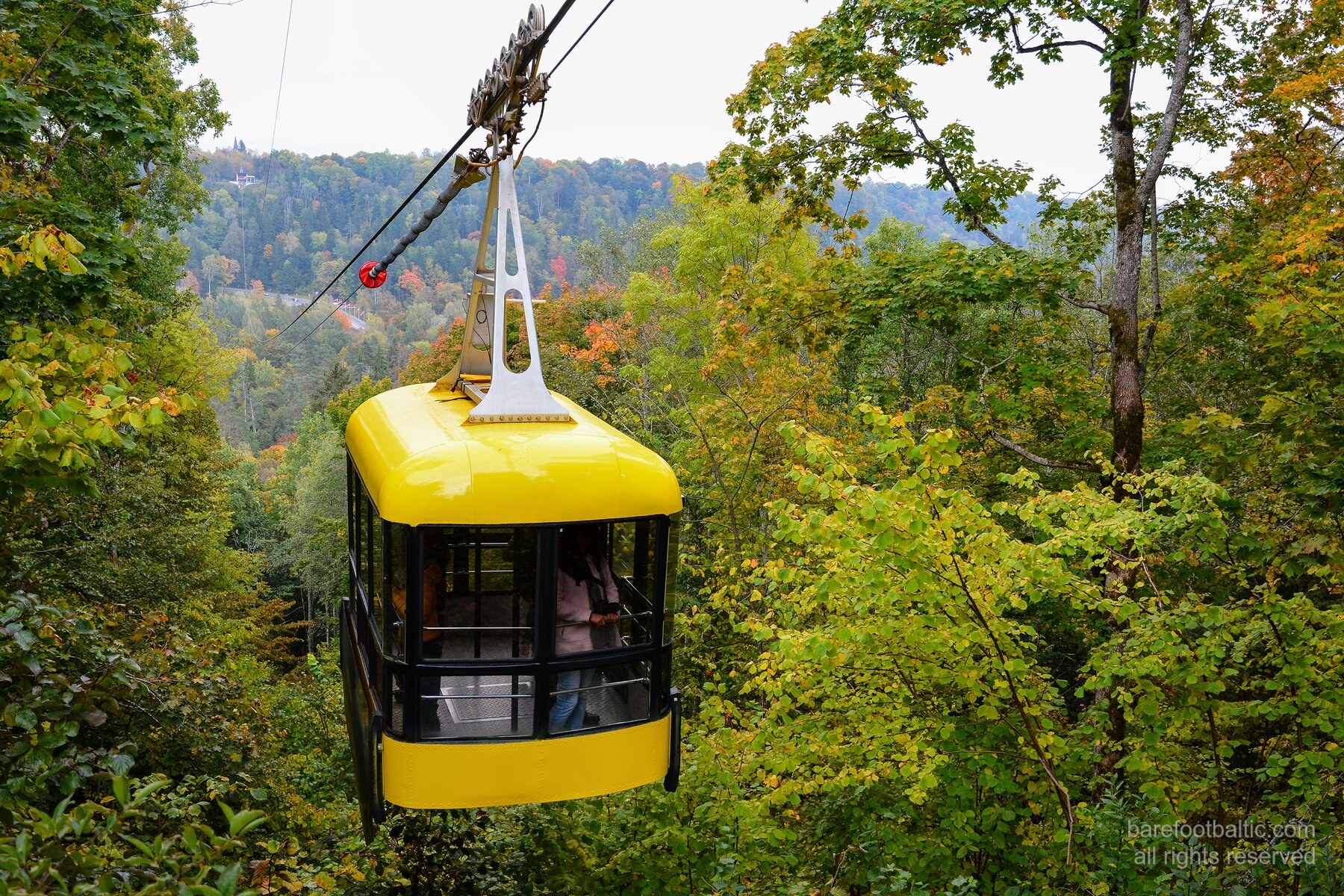
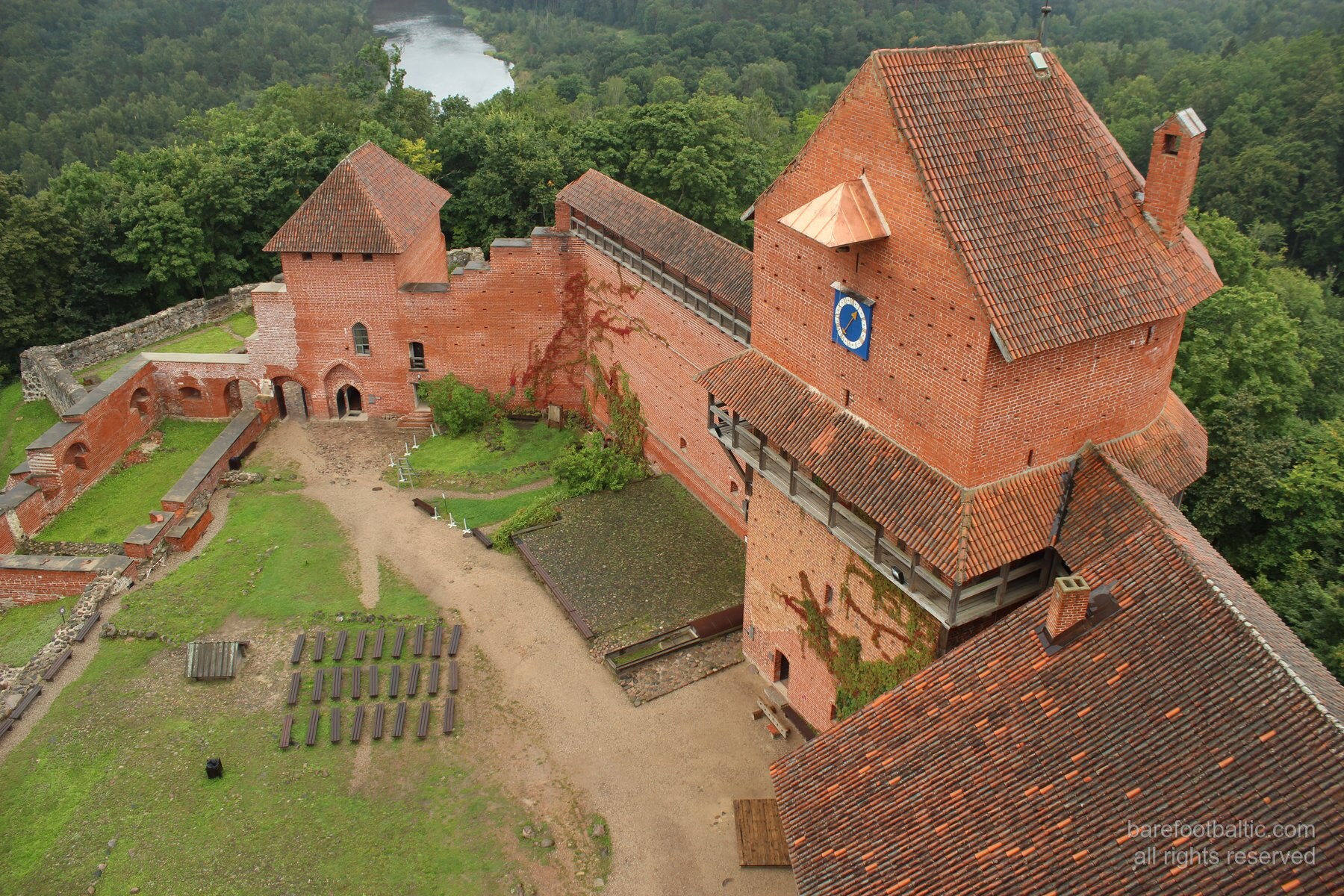
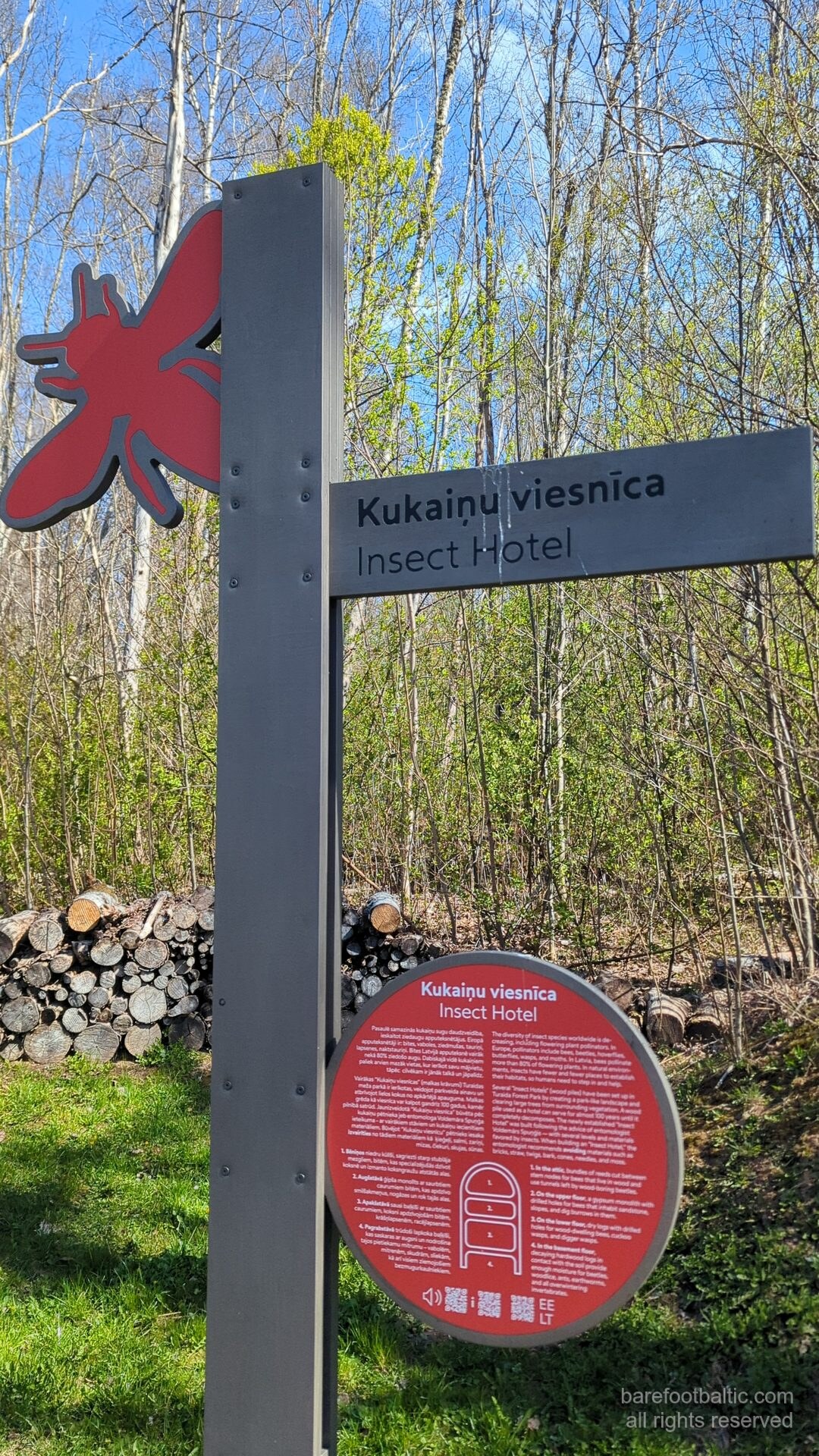
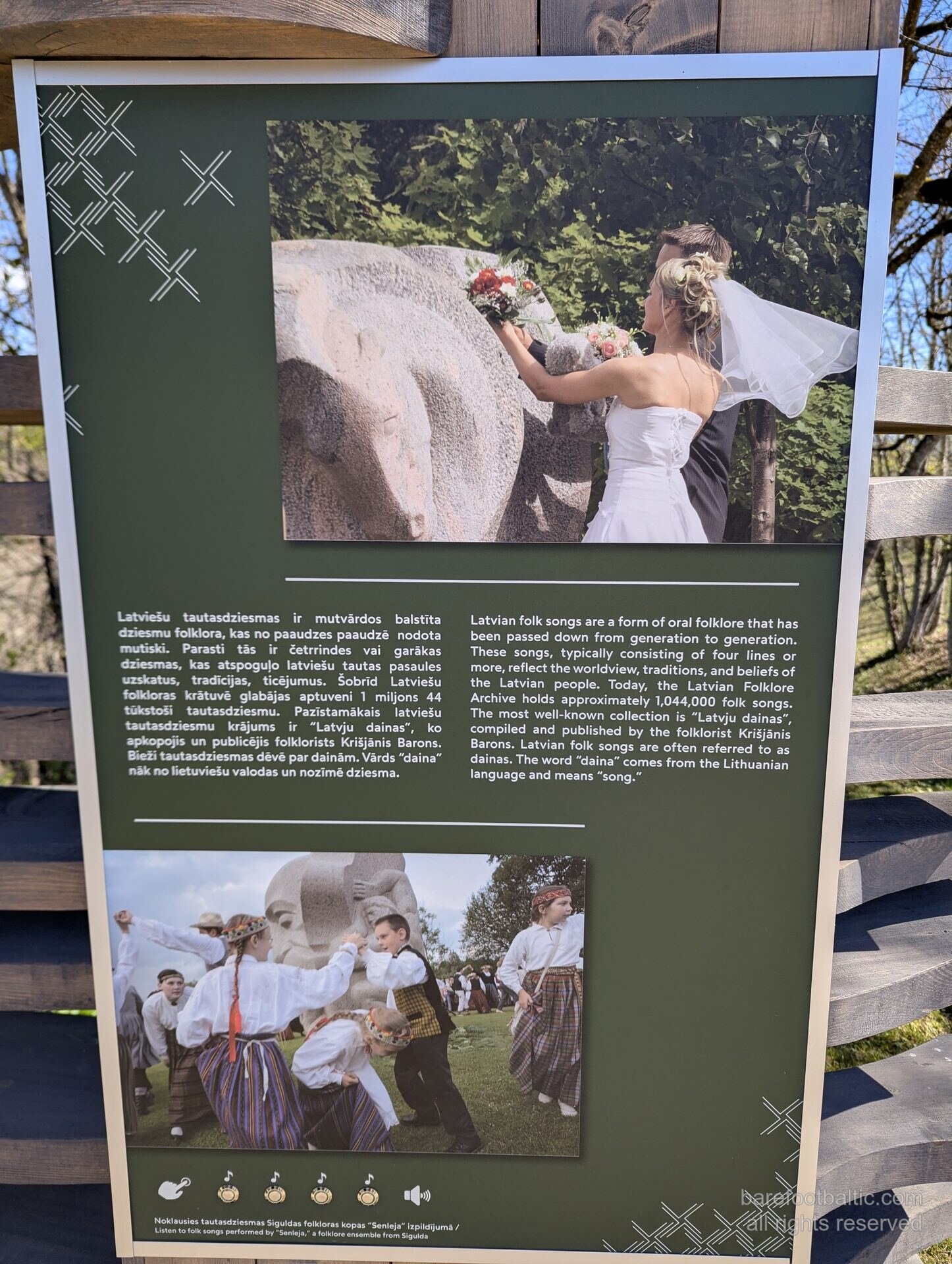
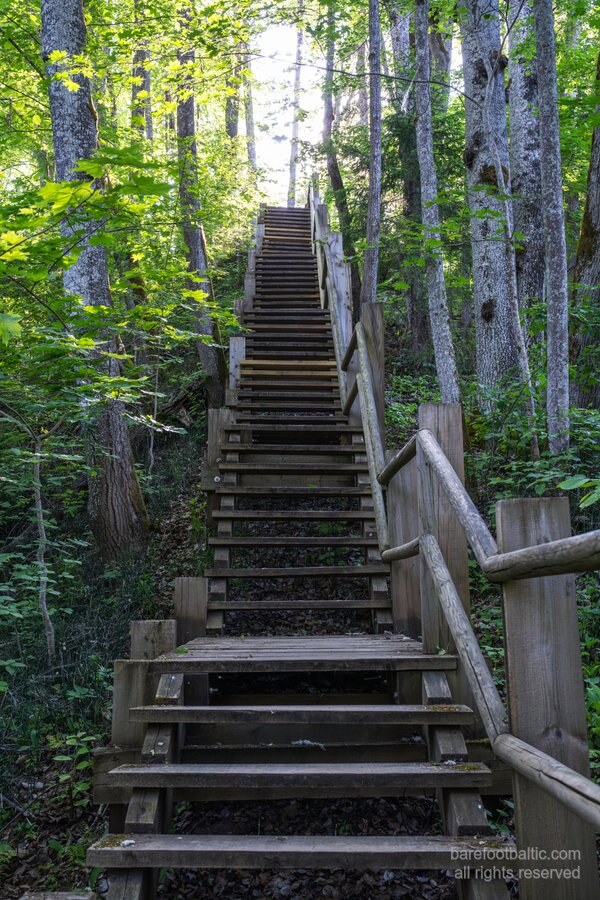
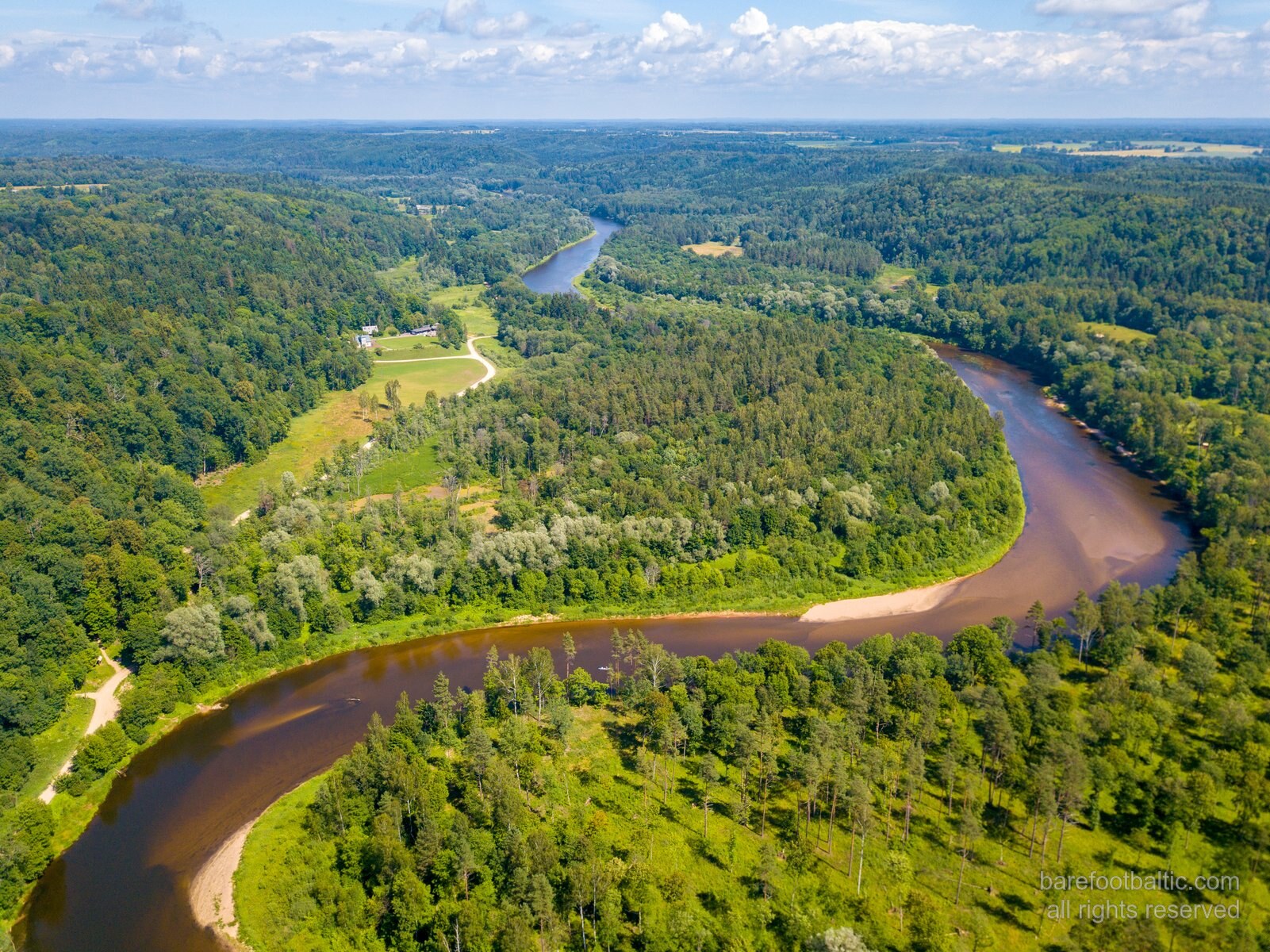
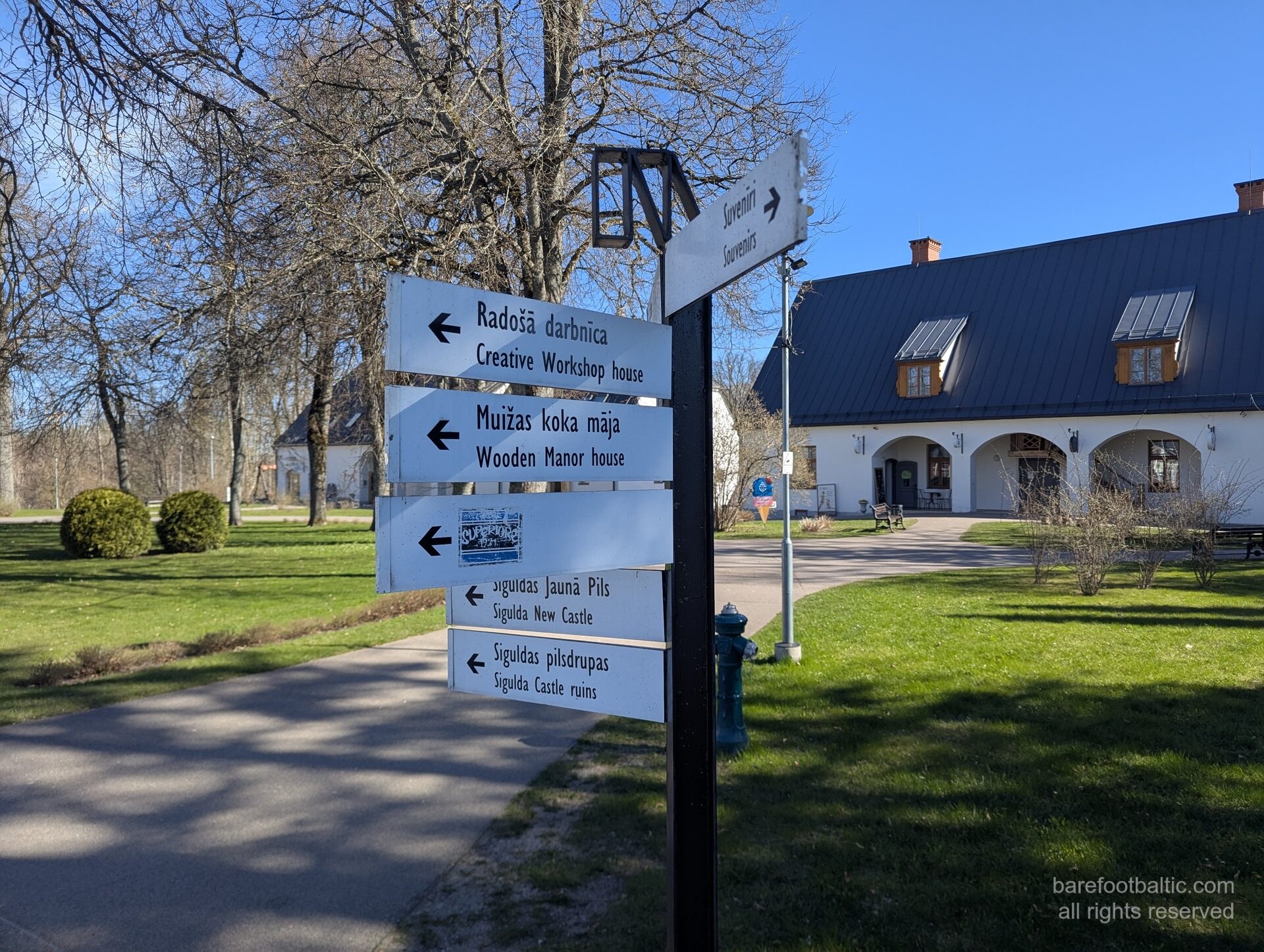
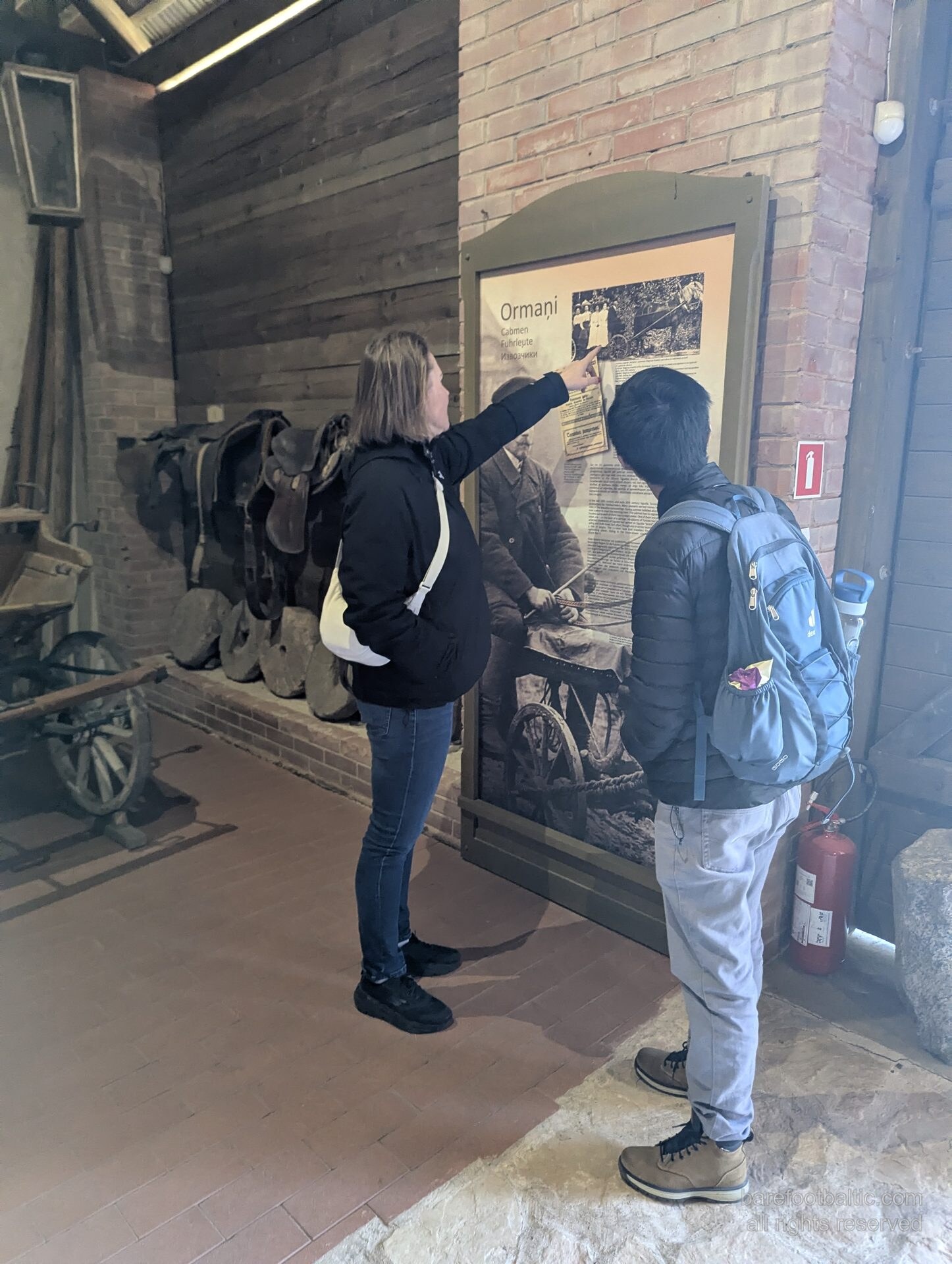
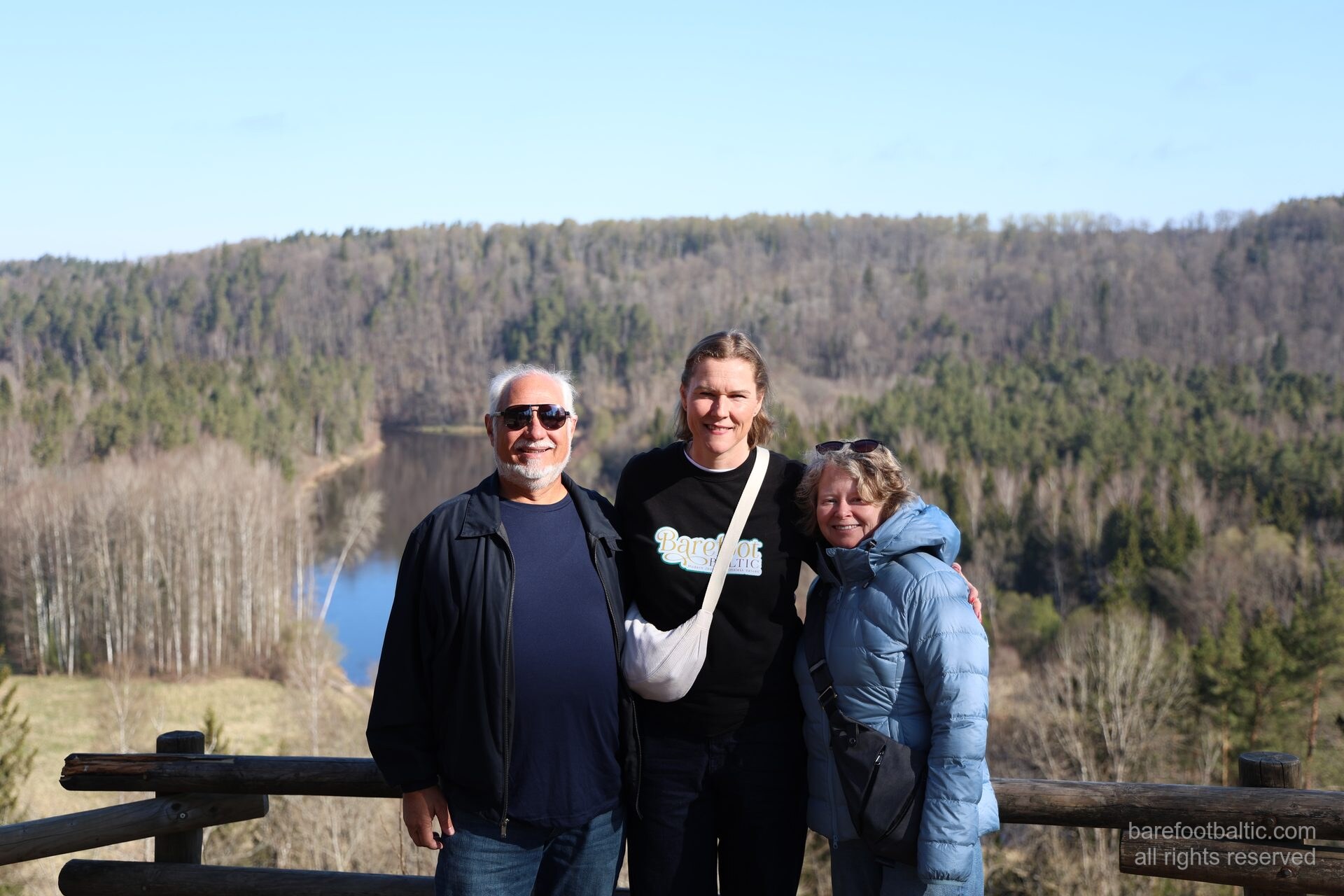
Nine photographs along the DIY Sigulda day, end to end. Cable car, Turaida, Dainu Kalns, the wooden descent, the Gauja, Sigulda New Castle.
This is the itinerary I'd give my own visiting cousin if she wanted to see Sigulda in a day without me. Train times that actually work, the one-way cable-car move that saves you fourteen euros, what to do at Turaida and where to walk down from it, and the small reorder of the day that lands the lunch and the late light in the right places.
The whole thing costs around €50 per person and runs door to door in roughly ten hours. You walk seven to nine kilometres, half of it on wooden boardwalks that turn slick in rain and properly treacherous in winter. The cable-car ride across the Gauja Valley is the centrepiece, and you only ride it once.
I run the guided version of this loop with Cēsis folded in. The DIY version below is the one I'd point a friend to if she'd rather do it herself. Either shape works. The right one is the one you'd actually book.
Two ways to do this day trip
There are two sensible shapes of this day, and the rest of the post is the DIY one. Here's both side by side so you know which you're reading.
DIY by train costs about €50 per person. You take the train both ways and ride the cable car as a one-way crossing, which saves you €14 over the round-trip. The small logistics of getting from the station to Turaida and back are yours. You walk a fair bit. You get the cheaper version of the day and the satisfaction of having shaped it yourself.
Guided with us costs €94 per adult, on our Sigulda, Cēsis & Gauja Valley day trip. It adds Cēsis to the same loop and handles the transfers. It also prebooks the candlelit castle tour at Cēsis that's hard to drop into as a walk-in. Same valley, more of it.
If you're still deciding whether to go at all, the dedicated piece on that is Is Sigulda Worth Visiting?
What to book ahead before you go
Almost nothing. That's the short version.
Train tickets you can buy at Rīga Centrālā stacija or on the Pasažieru Vilciens app in five minutes. Same-day is fine, and there are around eighteen Riga to Sigulda departures across the day. Turaida Castle Museum Reserve takes walk-ins for tickets at the gate. The cable car runs cash or card, day-of. Gūtmaņa ala is free and unstaffed.
One thing does need a check. The weather. If it's been raining for two days, the wooden footpaths down to the cave from the Krimulda side get slick enough that I wouldn't take them without proper grip on your shoes. In a long wet spell, or any month between November and March, take the bus across to Turaida and bus back the same way instead. The walking route through the cave is for fair-weather days.
The hour-by-hour itinerary (a DIY Sigulda day)
The DIY day moves Turaida first and ends with Sigulda town. The cable car gets ridden once, mid-loop. The order is deliberate. Turaida wants two and a half hours and warm legs, and Sigulda town has the better lunch options and works in the late afternoon light. If you flip the order, you finish at Turaida with tired legs and miss the late light on the wooden church.
The version below assumes you catch the 08:00 train from Riga. Earlier works for a less rushed start at Turaida. Later works if you skip Dainu Kalns and the walk back. The cable-car-as-finisher is the move I'd keep either way.
08:00, catch the train at Rīga Centrālā stacija
08:00 isn't the only train. There are around eighteen Riga to Sigulda departures across the day, but it's the one I'd pick. It gets you to Sigulda just after 09:10, which is when Turaida's gates open and a clear half-hour ahead of the lunch coaches.
Buy a ticket at the station counter or on the Pasažieru Vilciens app for about €3 each way. The boards are bilingual. A kiosk on the station floor sells coffee that's fine for a train, and there's a small bakery in the main hall if you want something more substantial for the journey.
The train takes seventy minutes and Sigulda is far enough down the line that you can read for most of it. The carriage second from the back tends to have the most space and the cleanest toilets. Sit on the right for the river views.
09:10, arrive Sigulda station, then bus 12 or a Bolt to Turaida
The walk into Sigulda town is fifteen minutes downhill, and on this day you don't take it. You're going across the valley to Turaida first.
Bus 12 runs from the station forecourt and gets you to Turaida in about twenty minutes for around €1.50 cash. The schedule isn't dense. Two or three departures an hour in peak season, fewer in winter. Check the timetable on the station board when you arrive. It's the local option, full of Latvians with shopping bags.
Bolt is the faster move. About €6 and ten minutes, with a drop at the Turaida visitor centre gate. If the bus isn't due for forty minutes, that's the call. You're paying €14 for one cable-car ride later anyway, so the €4 difference here probably isn't where to save.
09:35, Turaida Castle Museum Reserve
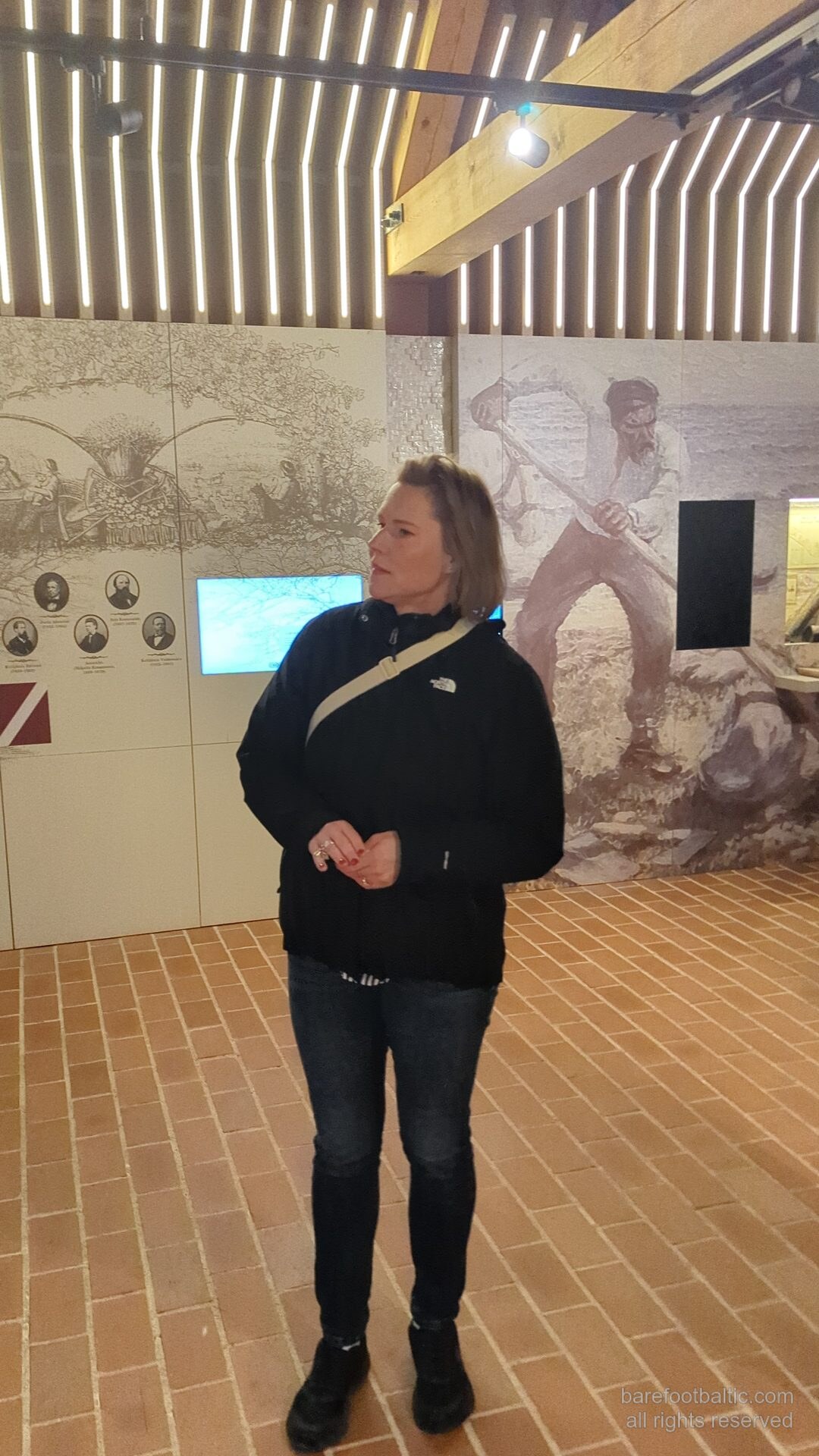
Turaida is the day's anchor. Two and a half hours minimum. You're climbing the red-brick tower for the valley view, walking the castle grounds, going through the museum on the ground floor of the main keep, and stepping inside the 1750 wooden church. It's a small, almost domestic Latvian moment that's worth slowing down for.
Adult entry is around €7 to €8. The ticket covers the castle, the museum, the church grounds, the reconstructed Liv farmstead, the sculpture park at Dainu Kalns, and the Rose of Turaida grave. A half-day's worth of site for the price.
Order matters less than you'd think. I'd do the tower climb first while your legs are fresh and the museum second, then drift outside to the church and the farmstead. If the tower has a queue, flip it and start in the museum. The deep version of what to look for inside is in Things to Do in Sigulda. The shorter version is red brick and a long view down the valley, with a wooden church for the quiet moment.
12:00, Dainu Kalns (Folk Song Hill)
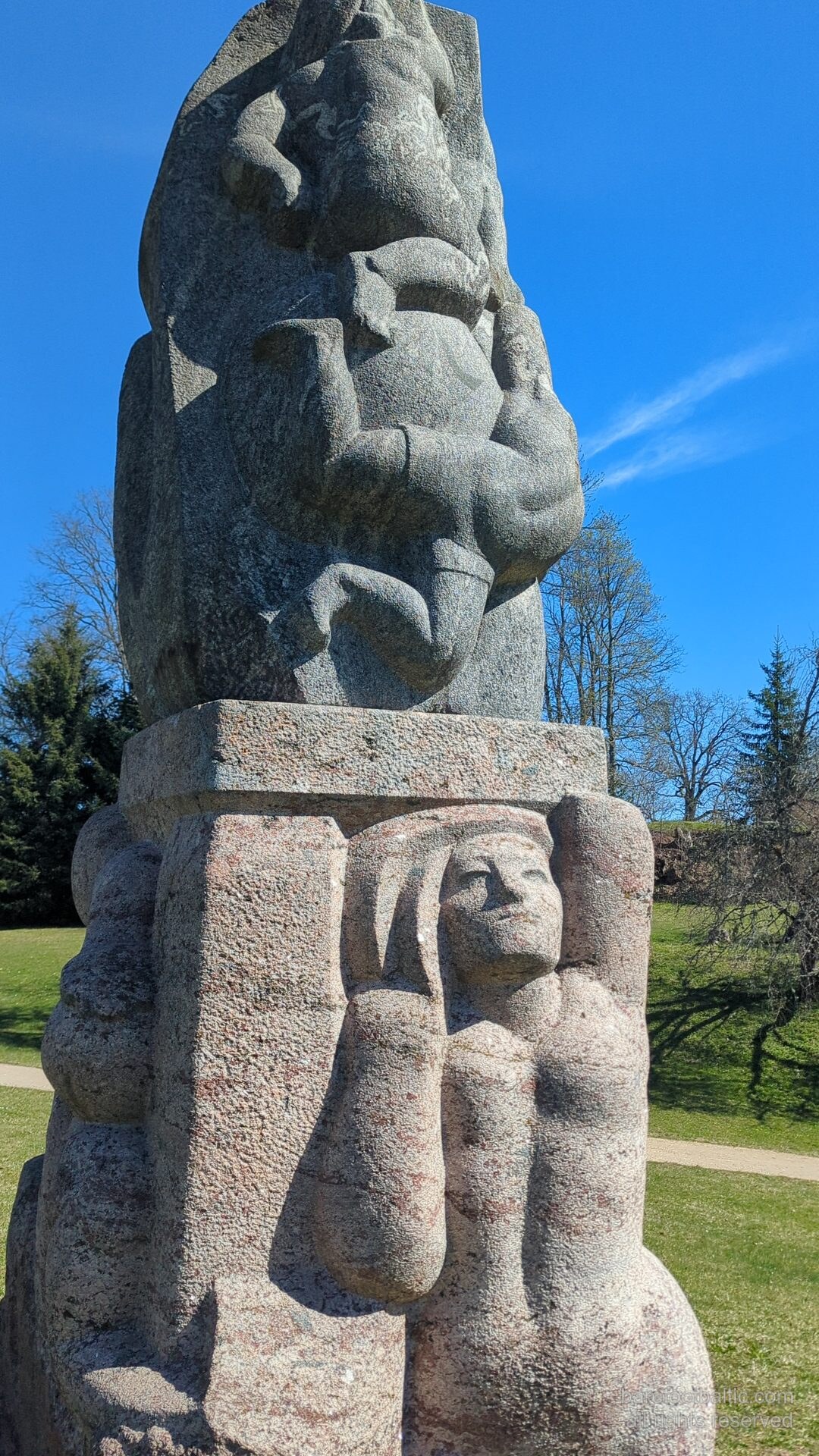
Dainu Kalns is fifteen minutes' walk from the main Turaida cluster, north of the wooden church on a marked path. It's a sculpture park of twenty-six stone figures carved between 1985 and 1990 by Indulis Ranka, set into a slope of old oaks. The figures stand for the people and themes in the dainas, the four-line Latvian folk songs Krišjānis Barons spent his life collecting.
Allow forty-five minutes if you read the inscriptions, twenty-five if you walk through. I'd read them. The dainas are the closest thing Latvia has to a national text, and the sculptures aren't pretty in a brochure way. They're rough, heavy things that stand the way the old songs do. The field guide is in the Dainu Kalns sculpture field guide.
13:00, walk down through the wooden footpaths to Gūtmaņa ala
From Dainu Kalns you walk back through the Turaida grounds and pick up the marked footpath on the south side of the visitor centre, signposted Gūtmaņa ala / Gutman's Cave. The descent is about twenty-five minutes through old forest on wooden boardwalk stairs. Flat-graded most of the way, with a few steeper sections near the river.
The wood gets slippery in rain. In winter, with frost or compacted snow, the boards are slick enough that I'd take the bus back to Sigulda and skip the cave on this kind of day. In dry weather between May and October, the descent is a fine forest walk and a quiet half-hour. The Krimulda sanatorium is visible across the valley as you come down.
13:25, Gūtmaņa ala (Gutman's Cave)
Gūtmaņa ala is the largest cave in the Baltics, which sounds bigger than it is. A sandstone alcove maybe twenty metres deep, with a small spring running through the floor and the Gauja river just below. Free entry. No staff and no ticket booth.
The interior is covered in inscriptions carved into the soft sandstone. Names and dates, the occasional crude family-tree of initials. The oldest go back to the 1500s, which makes Gūtmaņa one of the contenders for the oldest tourist-graffiti site in northern Europe. The legend that attaches to the cave is the Rose of Turaida, a 17th-century story that's become Latvia's quietest folk tragedy. The dedicated piece is The Legend of the Rose of Turaida.
Allow fifteen minutes.
13:45, climb up to the Krimulda side
From the cave you climb the western side of the ravine to the Krimulda sanatorium plateau. Ten to fifteen minutes on a stepped boardwalk path. The grade is sharper than the descent, and the steps are shorter. Enough to get the heart up.
At the top is the cable-car station and the old Krimulda sanatorium grounds. The sanatorium itself is a 19th-century neo-classical hospital still in use, set in a small park. Worth a look in passing, not worth a detour.
If the climb feels longer than you'd hoped, that's normal. You're now on the opposite side of the valley from Sigulda town, and the cable car is the way back.
14:00, cable car, Krimulda to Sigulda (one-way)
The Sigulda cable car earns the day. It's a small yellow cabin that's been crossing the Gauja Valley since 1969, running on a single span around 43 metres above the river. The crossing takes about twenty minutes door to door. The cabin holds twelve people, so on a busy summer afternoon you might wait twenty more for the next one.
Buy a one-way ticket. €14. A return is €28 and there's no reason to come back the way you arrived. The rest of the day is in Sigulda town. The one-way move is also what I do on a guided day, for the same reason.
The view from the middle of the span is one of the better Latvian views I know. The Gauja bends below you, and Sigulda town waits somewhere ahead through the wire. Turaida ridge is behind, Krimulda sanatorium just out of sight to one side. Sit on the right side of the cabin coming in.
14:25, walk into Sigulda town
The walk from the cable-car station into Sigulda is downhill through residential streets. About fifteen minutes to the town centre, half an hour at a slower pace. You'll pass the Sigulda Gymnasium and the small green square where the town hall sits, with a couple of cafés on the way.
It's a working Latvian regional town. Two-storey houses, broad pavements. The dogs go out walking themselves around late afternoon, which is roughly when the day starts to feel like a Saturday. Take it slowly. This is the part of the day where you stop being a sightseer for half an hour.
14:45, late lunch in Sigulda town
Three sensible options, in order of how much time you have.
Pasēdnīca. A small Latvian eatery near the railway crossing in the centre. Casual and fast, no menu fuss. Soup with a hot main and bread for under €10. Best if you want lunch and out in forty-five minutes.
Bucefāls. A proper sit-down restaurant near Ceļmalas, on the south side of town. Slower pace and a full menu, twenty-something euros for a main and a coffee. The right call if you want to sit and let the morning settle before the afternoon castles.
The third one is Mr. Biskvīts, a bakery and café on the central square. I usually save it for later in the day, for coffee and cake once the walking is done. Worth knowing about now though, so you can route past it.
16:00, Sigulda New Castle and the medieval ruins
The Sigulda Castle complex is a two-for-one. The 19th-century Sigulda New Castle is the neo-Gothic building you see first from the main path. It's now a small museum about the region's history, covering everything from the Livonian Order through the Soviet period. The 13th-century Sigulda Medieval Castle ruins sit next to it, partially restored, with walkable walls and a wooden bridge over the old moat.
Adult entry to the museum is around €5. The ruins are free to walk through.
Allow forty-five minutes for both. The good afternoon light hits the brick of the old keep around four o'clock in autumn, and the small terrace at the back of the new castle looks out over the valley. A quieter view than Turaida's, and a fair return on the climb back up from the cable car.
16:45, coffee at Mr. Biskvīts
Mr. Biskvīts is a bakery and café in the centre of Sigulda, ten minutes' walk from the castle complex. Cake and coffee on a small terrace when the weather is good. No fuss. The cardamom buns are the right thing if you've got an hour before the train. Around €5 for a coffee and something sweet.
This is the end-of-day stop where you let your legs rest and write down what you saw, without pretending to be less tired than you are.
17:30, train back to Riga
The 17:30 from Sigulda gets you back to Riga around 18:40, in time for dinner. There's a later one if you need it. Check the Pasažieru Vilciens board for the day. Same fare as the morning, around €3.
If you're going to fall asleep on a train in Latvia, this is the one. Sit on the left this time. The late-afternoon light over the fields between Sigulda and Mūrjāņi is the part of the day worth staying awake for.
If you only have a half day
Cut Sigulda town. Cut Dainu Kalns if you must.
A half-day version starts on the 09:00 train from Riga and lands in Sigulda just after ten. Bolt straight to Turaida (€6, ten minutes), spend ninety minutes at the castle and museum with the tower first and the ground floor second, then catch the 13:30 train back from Sigulda station. Four and a half hours door to door.
You miss Dainu Kalns. You miss the cable car. The town and the lunch go too. What you get is Turaida itself, which is the strongest single sight in the Gauja Valley and the one I'd come back for if I had to pick.
This is a Turaida-only day, with lunch back in Riga and the afternoon free for something else. It holds up on its own.
If you want to add Cēsis
Don't try it as a DIY day from Sigulda. The Cēsis castle is forty minutes north by train from Sigulda and another four hours minimum to do properly, and you'll either lose Turaida or arrive at Cēsis with nothing left in your legs. Pick one.
If both cities are on your list, you have two options. Do them on separate days from Riga. Both have direct trains, and both are easy day trips on their own. The companion piece for the both-in-one-day version is Can You Do Sigulda AND Cēsis in One Day?, which lays out a DIY-by-train shape that skips Turaida. The other option is a guided day that includes all three, our Sigulda, Cēsis & Gauja Valley day trip at €94 per adult, built around exactly that.
What this trip costs (DIY vs guided)
| DIY item | Cost per person |
|---|---|
| Train Riga ↔ Sigulda (return, ~€3 each way) | ~€6 |
| Bolt or bus 12 to Turaida | €1.50–6 |
| Turaida Castle Museum Reserve entry | ~€7–8 |
| Cable car one-way Krimulda → Sigulda | €14 |
| Lunch in Sigulda town | ~€10–20 |
| Sigulda New Castle museum entry | ~€5 |
| Coffee and something sweet | ~€5 |
| Total | ~€45–55 |
The guided day is €94 per adult for the Sigulda, Cēsis & Gauja Valley day trip. That covers pickup from your hotel in Riga, the air-conditioned minibus, the licensed-guide day, entries to all three castles on the loop, the candlelit Cēsis castle tour prebooked, a lunch stop, and the one-way cable car. Child price €70.
The roughly €40 gap between the two pays for Cēsis added in, plus the candlelit castle tour you can't easily walk into. It also pays for the time you don't spend on logistics, and for a Latvian guide. Whether that's the right trade depends on what kind of day you wanted.
Frequently asked questions
Frequently asked questions
One last note
The reason the DIY day works is that Sigulda is the easiest day trip in Latvia by public transport, and Turaida is one of the few medieval Latvian sites where the building and the landscape are the same story. You don't need a guide to see that. You need to know which train to take, which side of the cable car to sit on, what shoes to wear, and which footpath to walk down. That's what the post above is.
If you'd rather not handle the small logistics, or you want Cēsis added in, the Sigulda, Cēsis & Gauja Valley day trip is the loop above with all three castles built into a single day and someone else driving. Either way, try to do it between late April and early October if you can. The wooden boardwalks down to the cave are at their best in dry forest light.
Daiga Taurīte is a licensed Latvian tour guide and co-founder of Barefoot Baltic, which runs small-group day excursions from Riga. She grew up in Riga, spent two decades working in London, and came home in 2024. Barefoot Baltic is licensed by Latvia's Consumer Rights Protection Centre (PTAC), holds ATD passenger transport licence PS-01995, and is insured by BTA Baltic for civil liability.