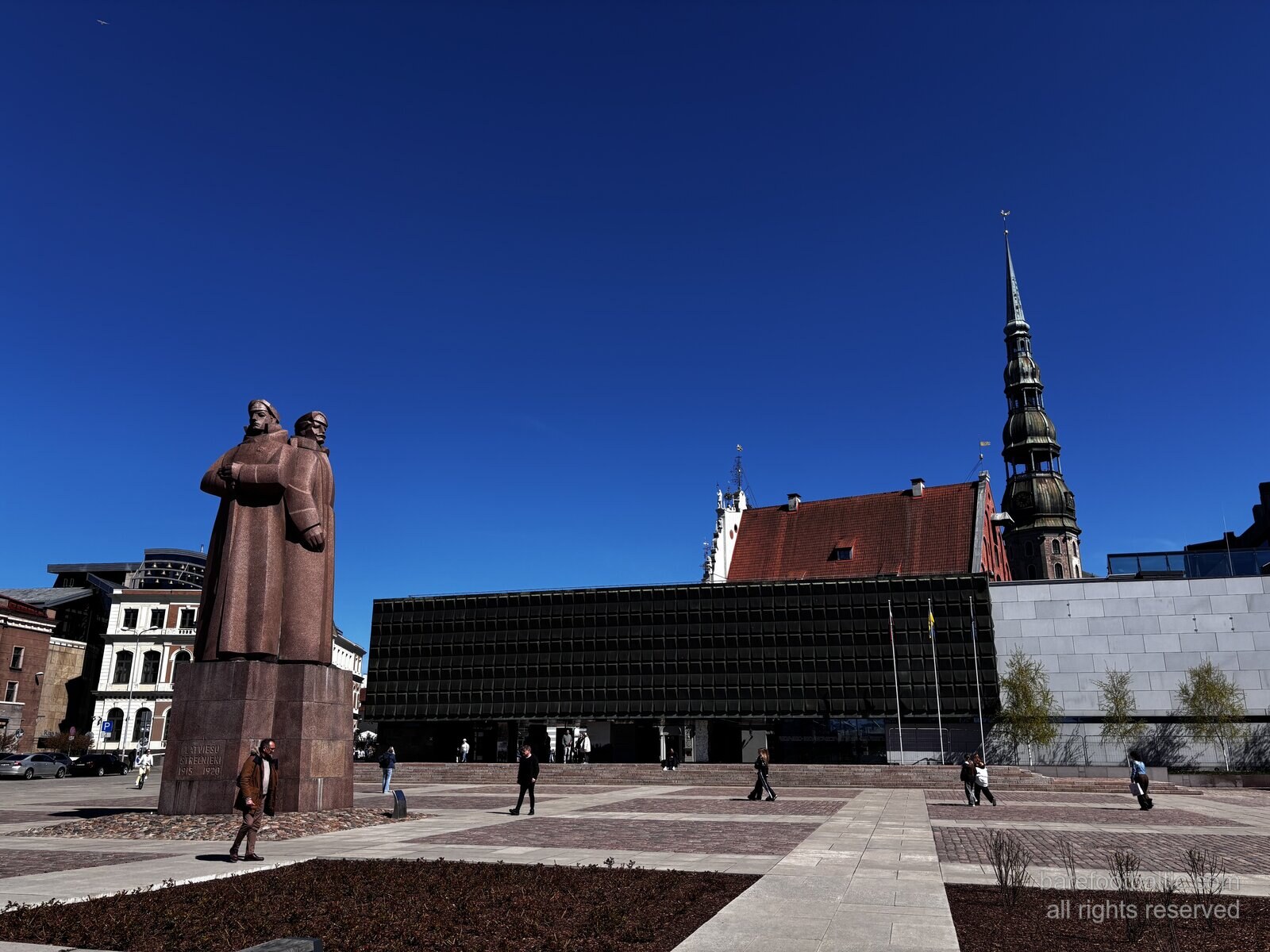
A first Riga itinerary tends to lead with the Old Town, the Art Nouveau district, the Central Market, the Black Magic bar. All worth your time. But if you only have one afternoon and you want to understand the country you’re standing in, start at the Museum of the Occupation of Latvia on Latviešu strēlnieku laukums.
Photos. The gallery below opens as a clickable lightbox. Tap any thumbnail or hero image to enlarge. Photographed on a recent visit, May 2026.
It isn’t a comfortable visit. It isn’t meant to be. But it’s the single building in Riga that does the most to explain everything else you’ll see here. Why Latvians sing the way they do. Why the language survived. Why the streets feel both very old and very new, and why people in this country read the news from Ukraine with a particular kind of stillness.
Eight hundred years, briefly
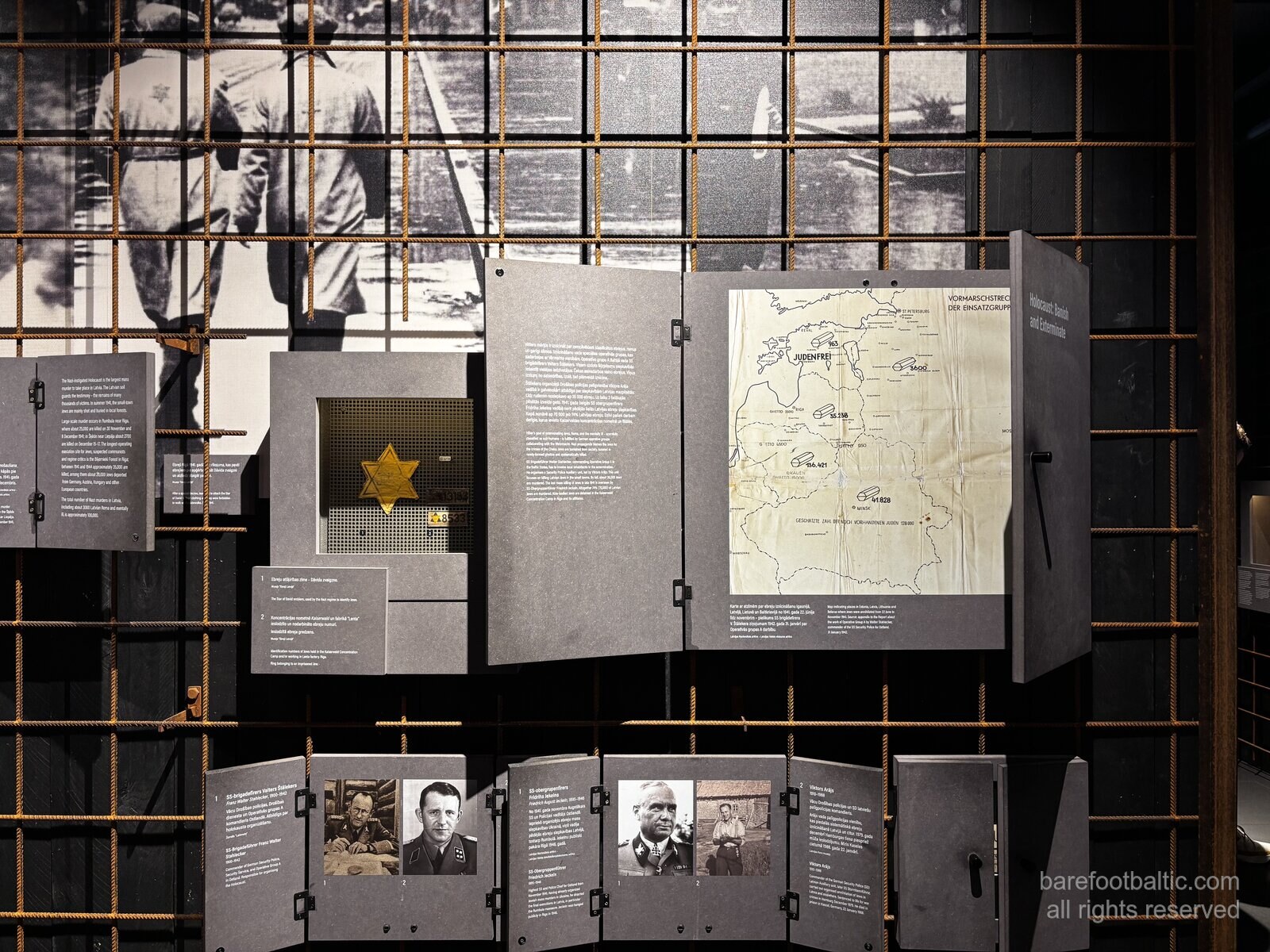
Latvia has spent most of the last eight centuries under someone else’s flag. German crusader knights from the early 1200s. The Polish-Lithuanian Commonwealth. The Swedes. The Russian Empire under Peter the Great, which held Riga for two centuries. Then a brief, hard-won independence between 1918 and 1940, the first time in modern history Latvians governed themselves. The Soviet occupation crushed it in 1940. Nazi German occupation replaced that in 1941, and the Soviets reoccupied in 1944. That second Soviet occupation lasted until 1991.
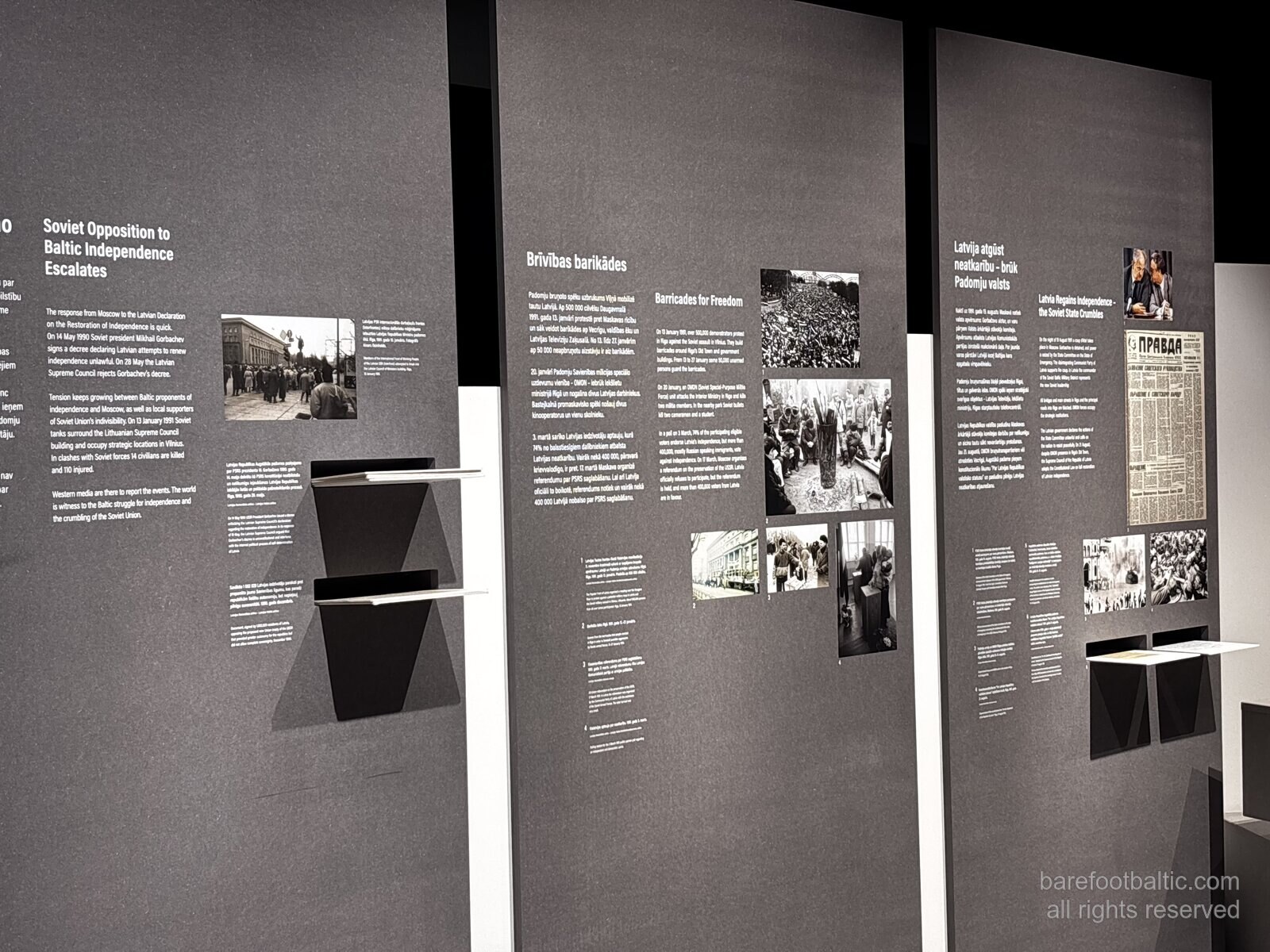
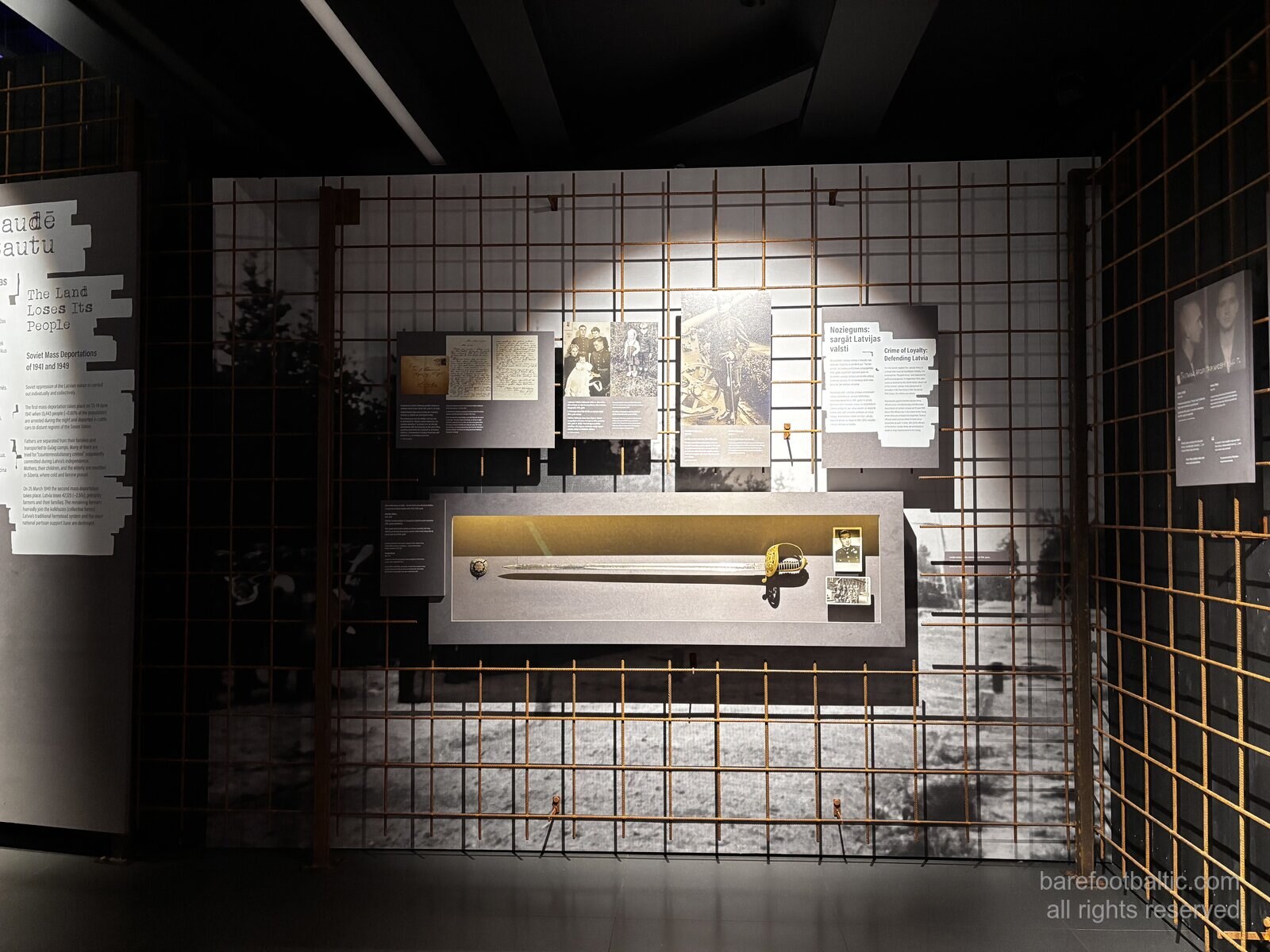
That’s a lot of history to carry, and the museum doesn’t try to teach all of it. It focuses on 1940 to 1991. That was the half-century when occupation wasn’t something in textbooks. It was something that decided whether your grandfather came home from work, whether your aunt got on a train east, whether you were allowed to speak your own language in your own city.
What you’ll actually see
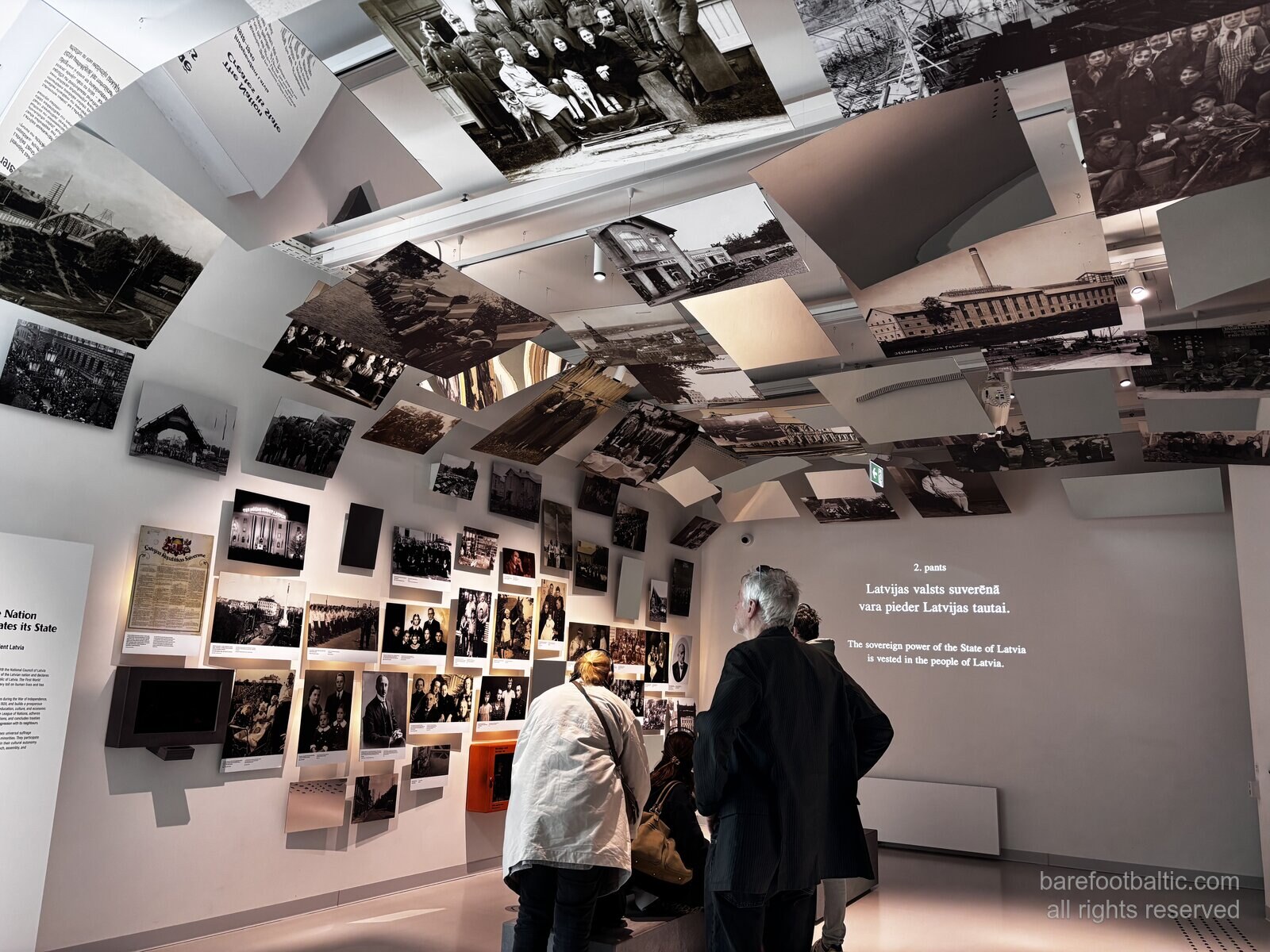
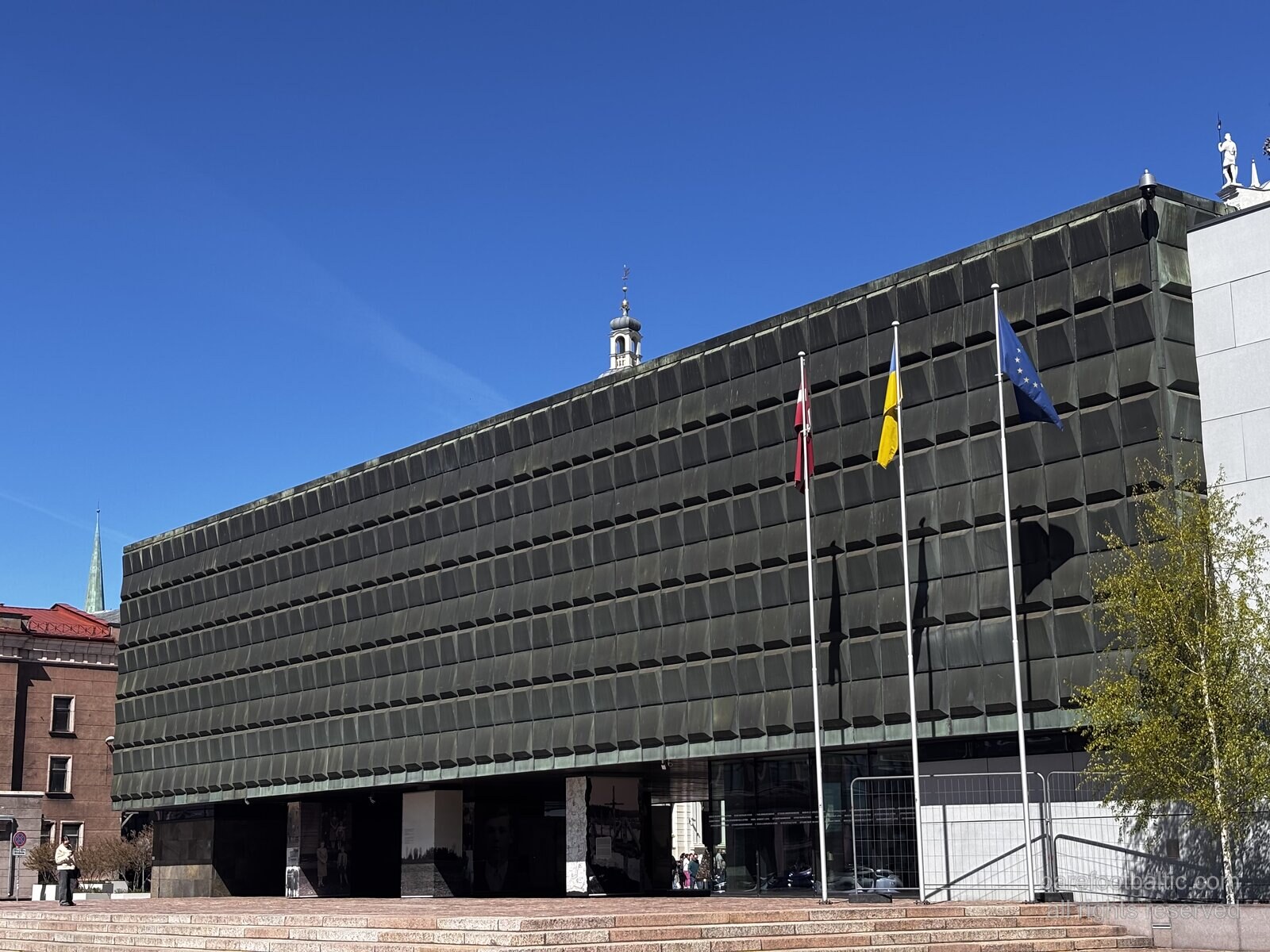
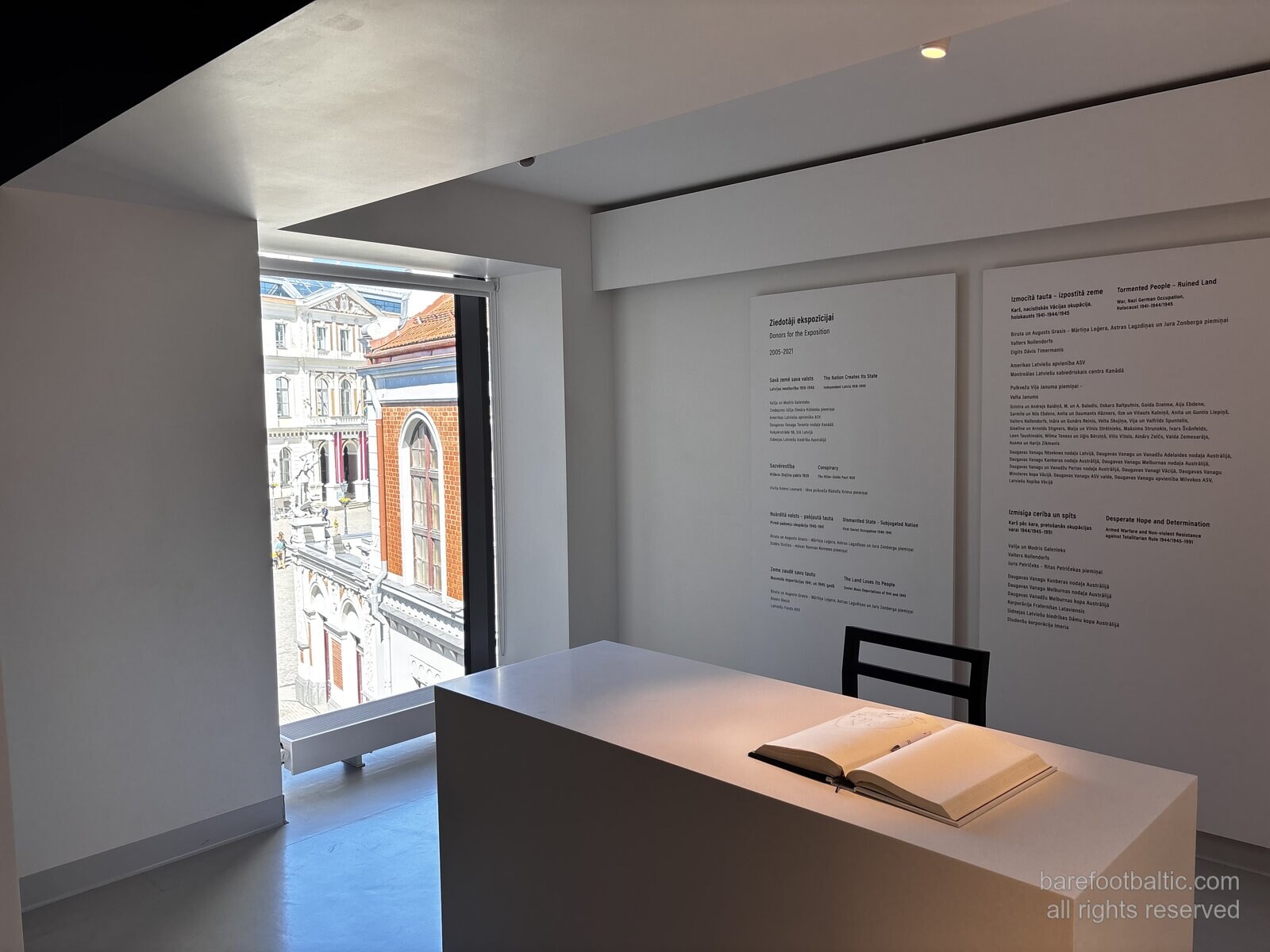
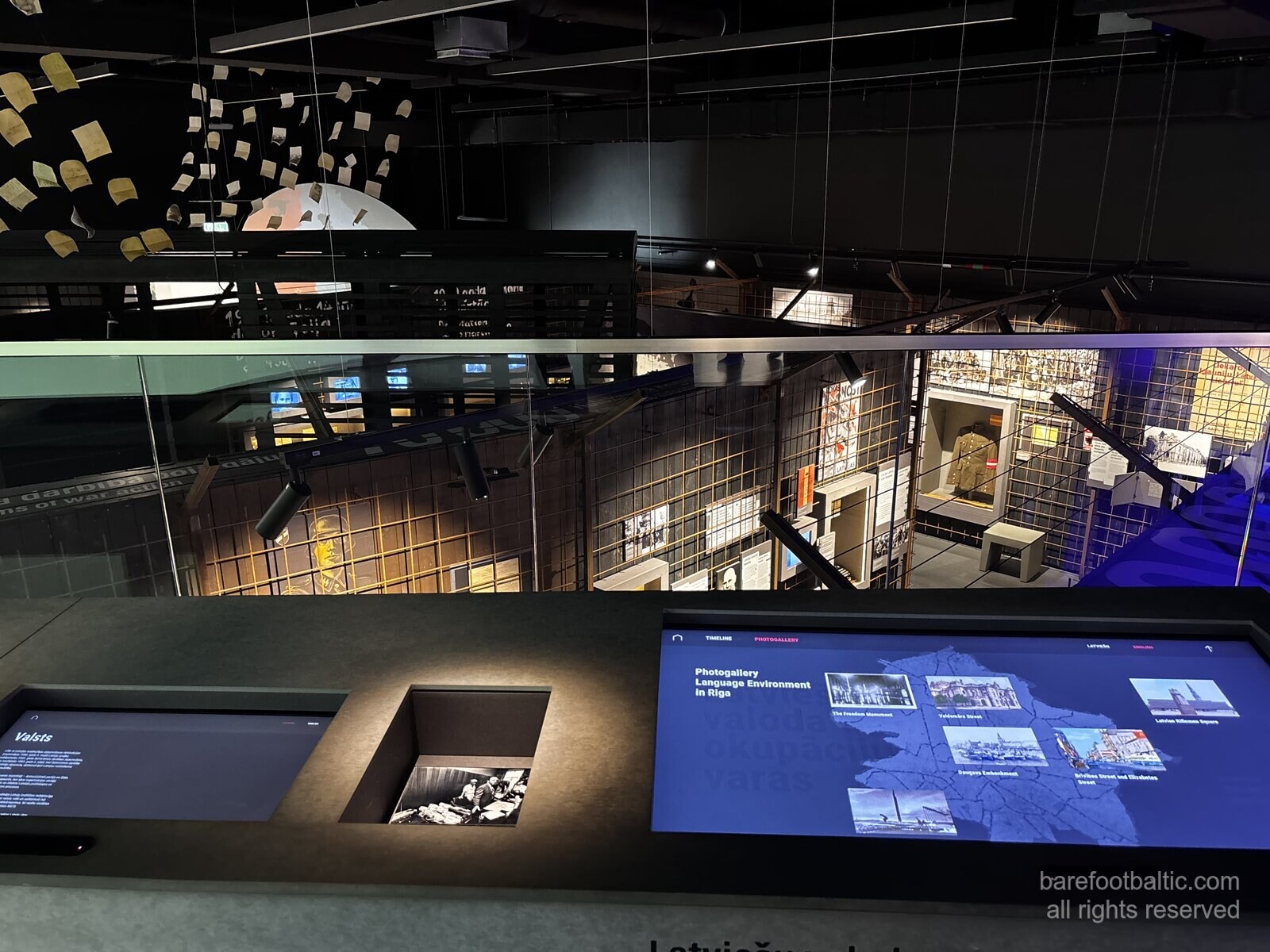
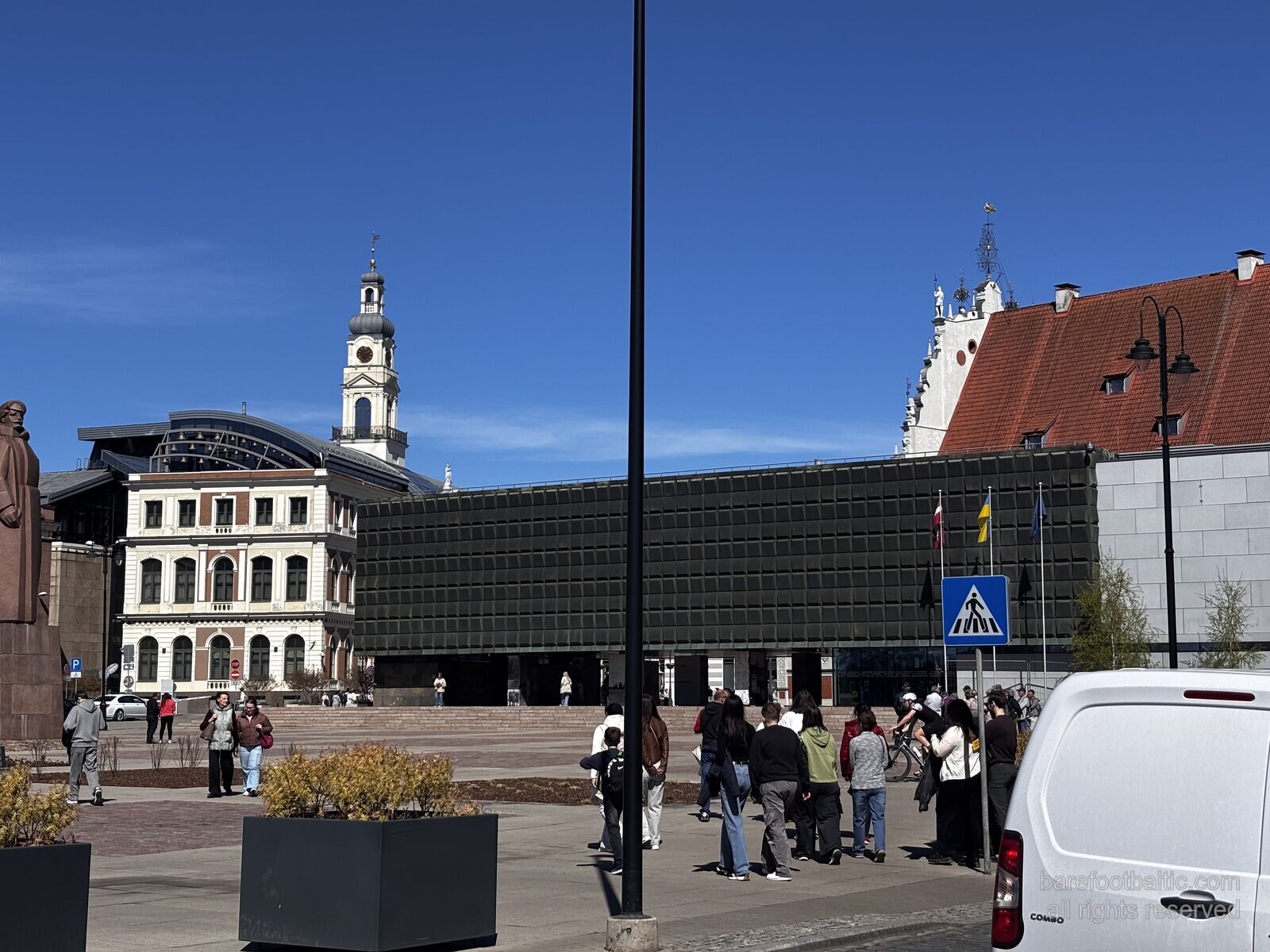
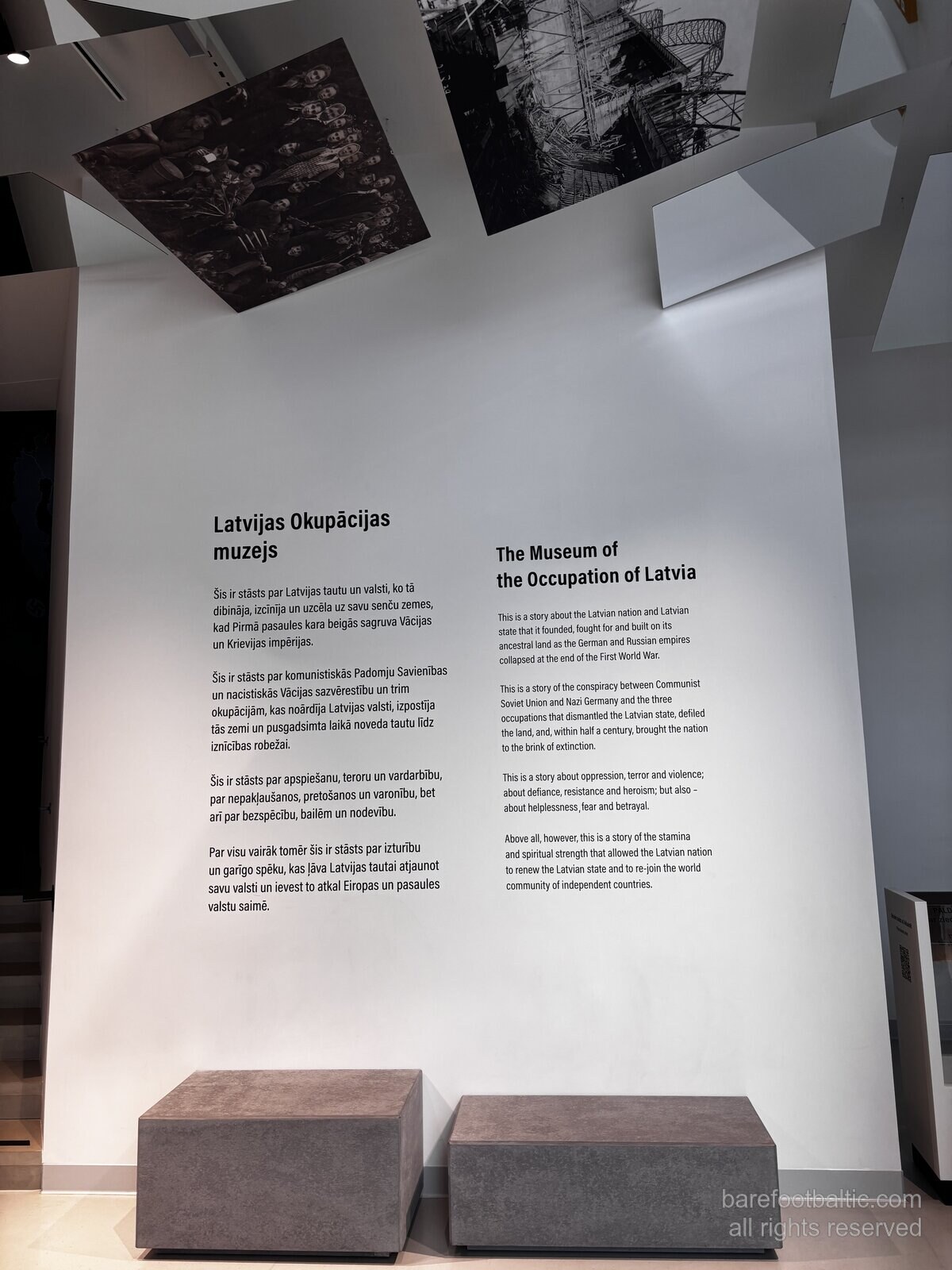
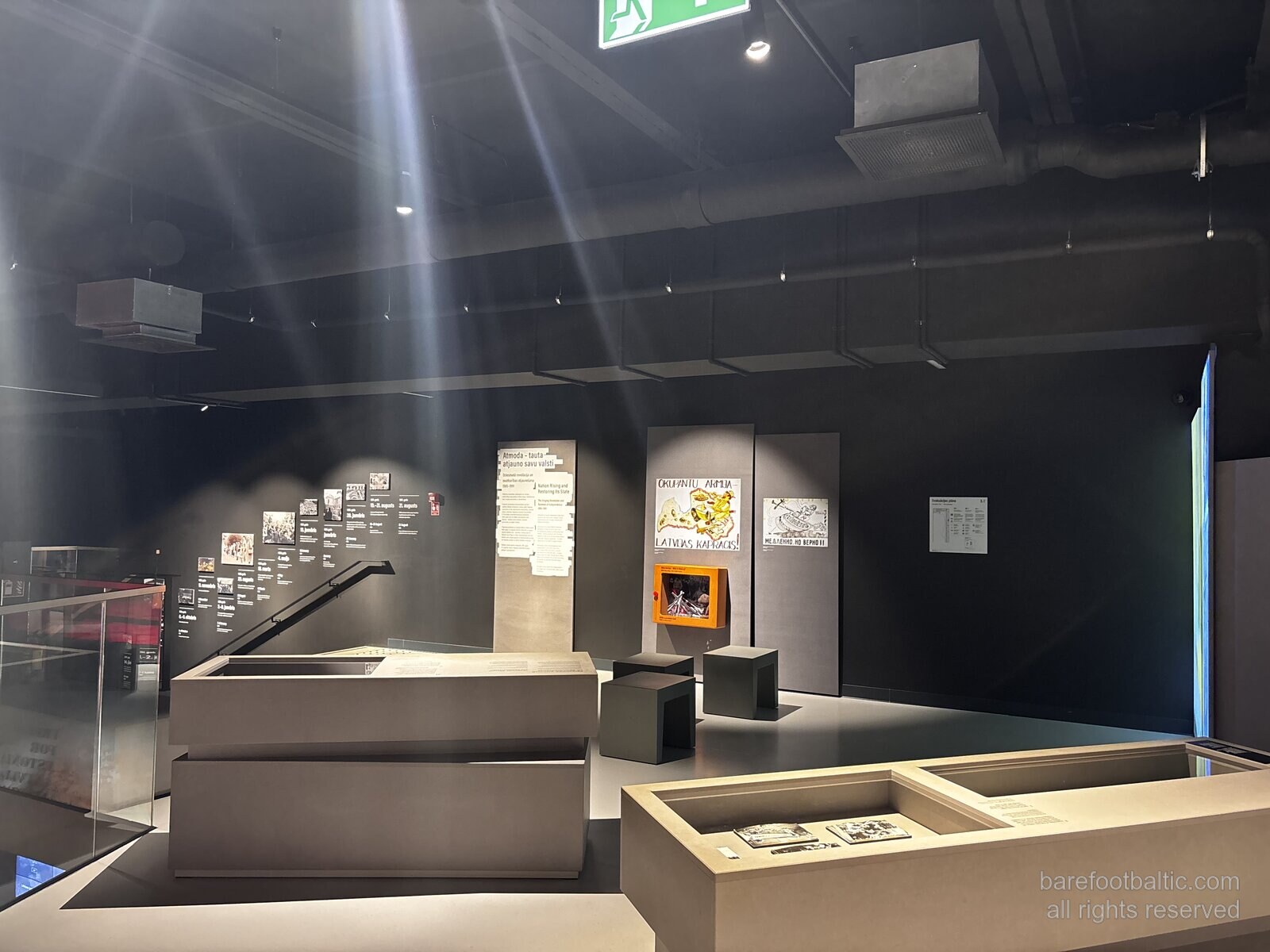
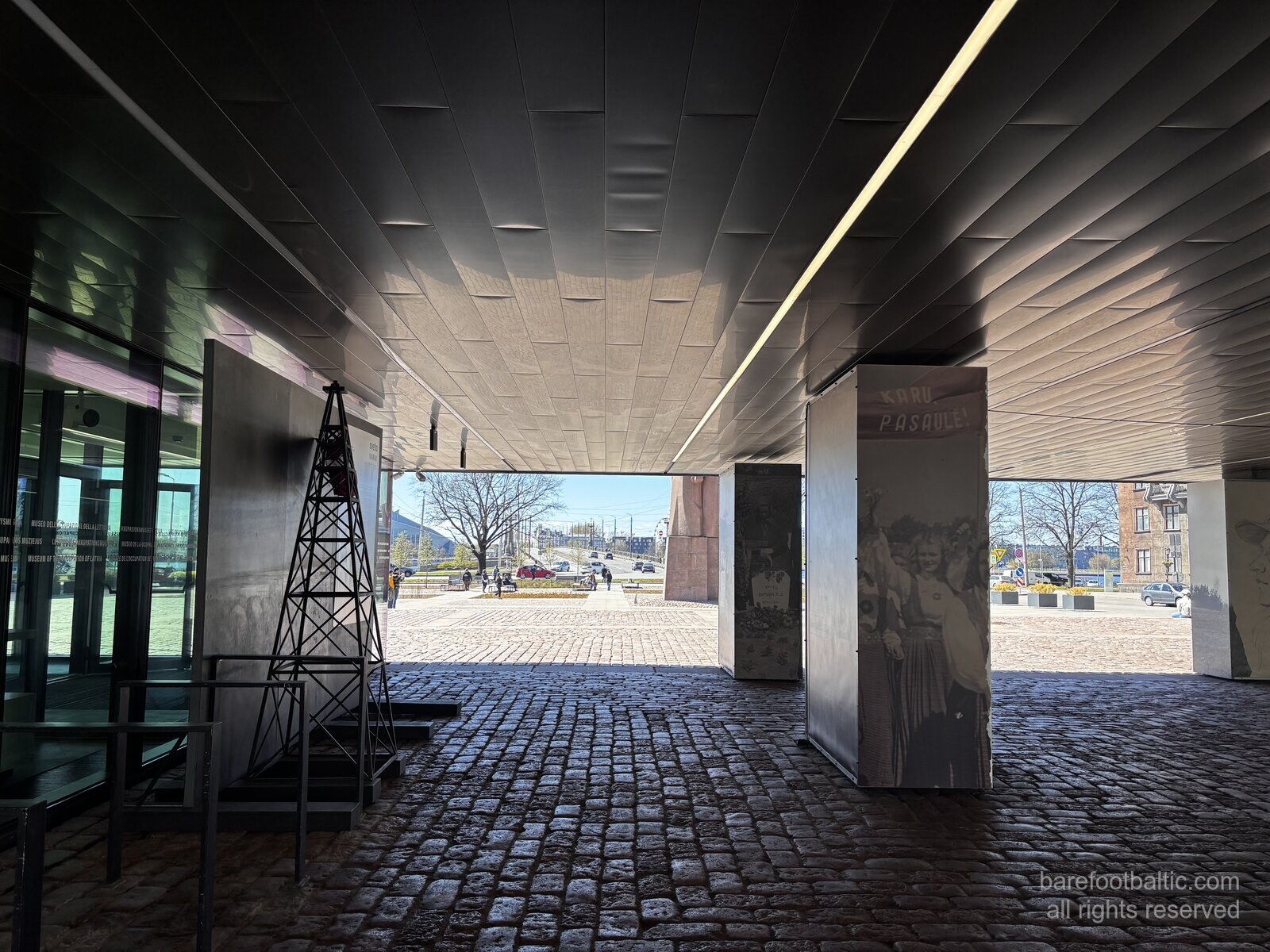
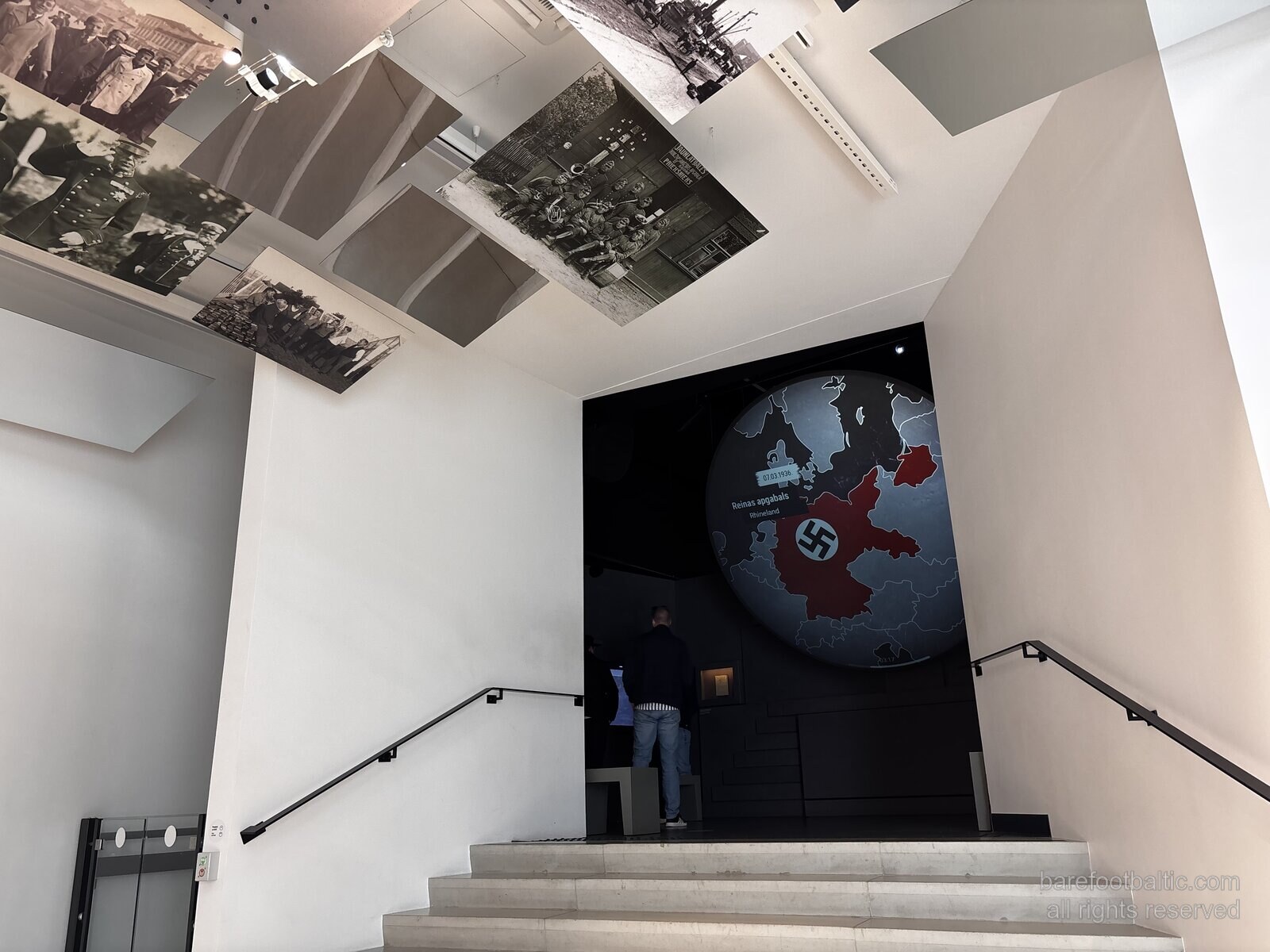
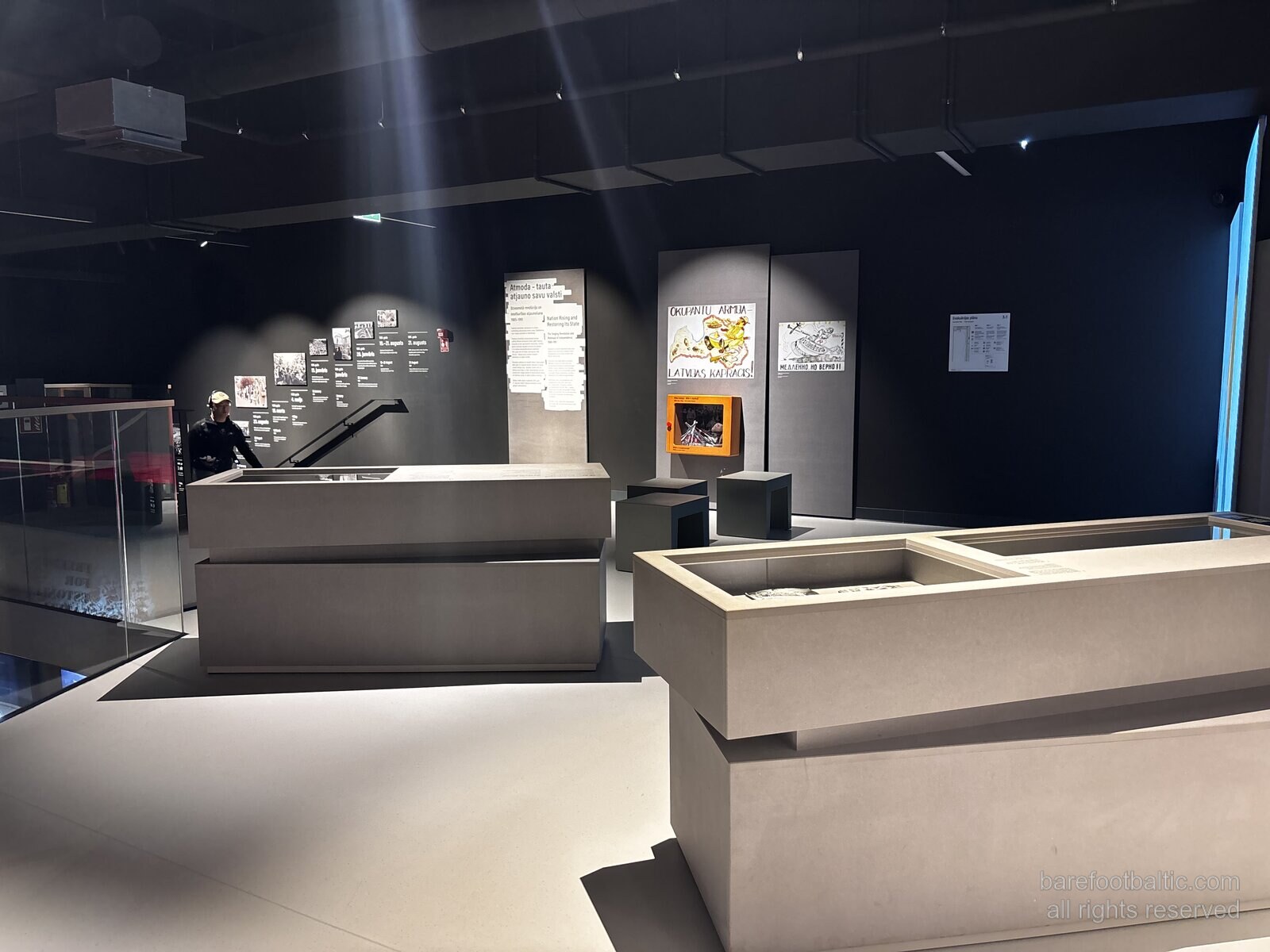
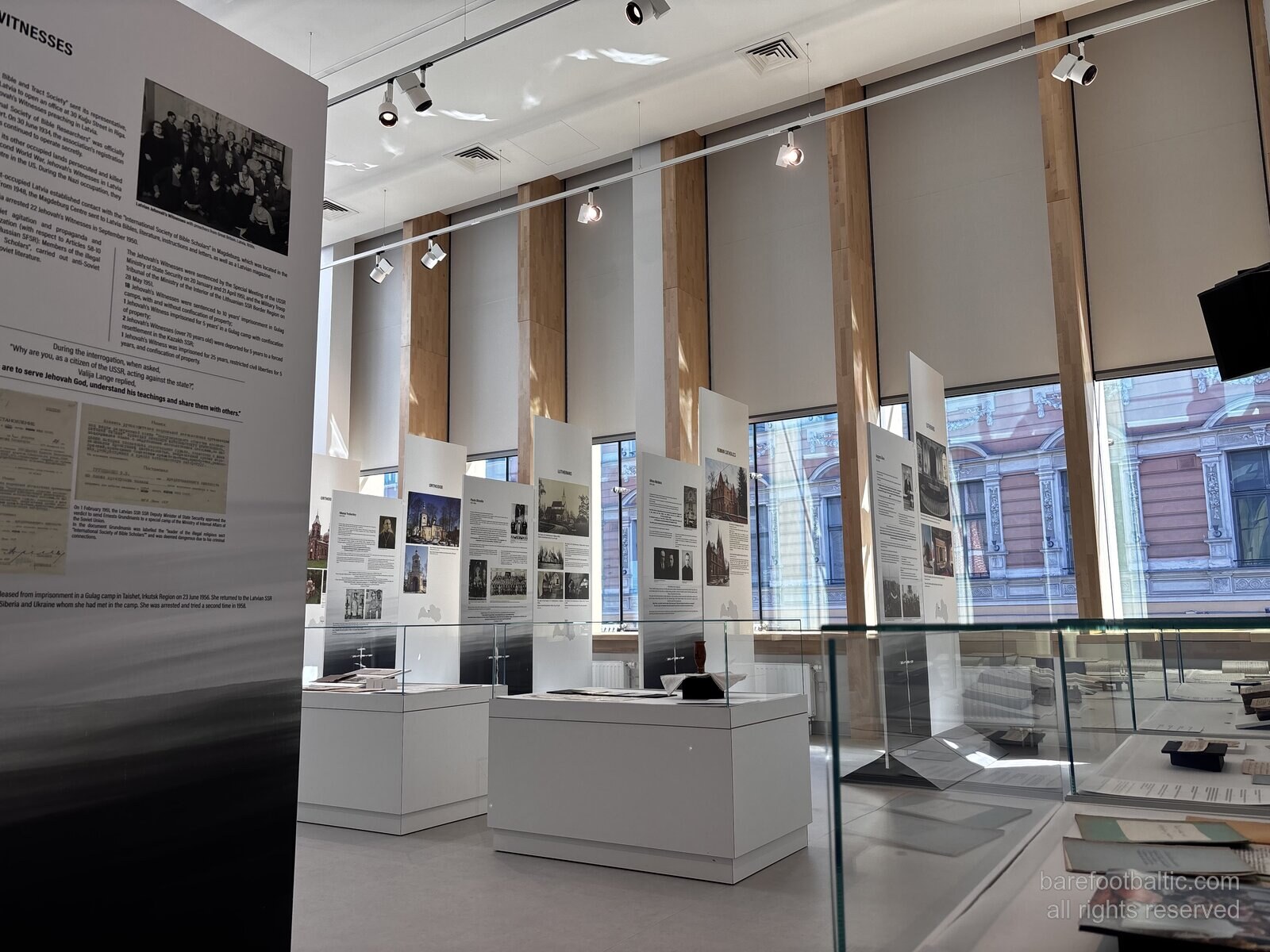
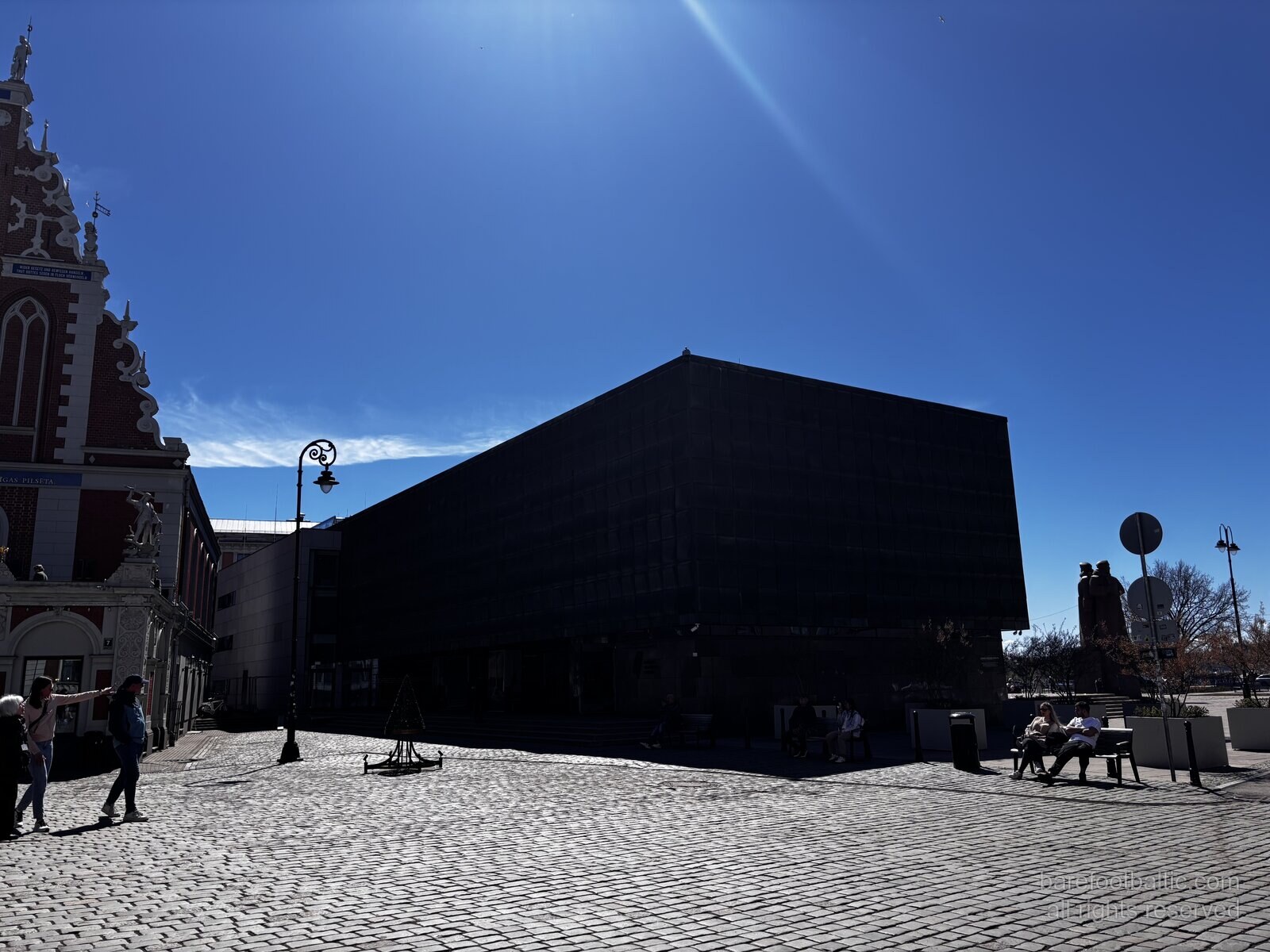
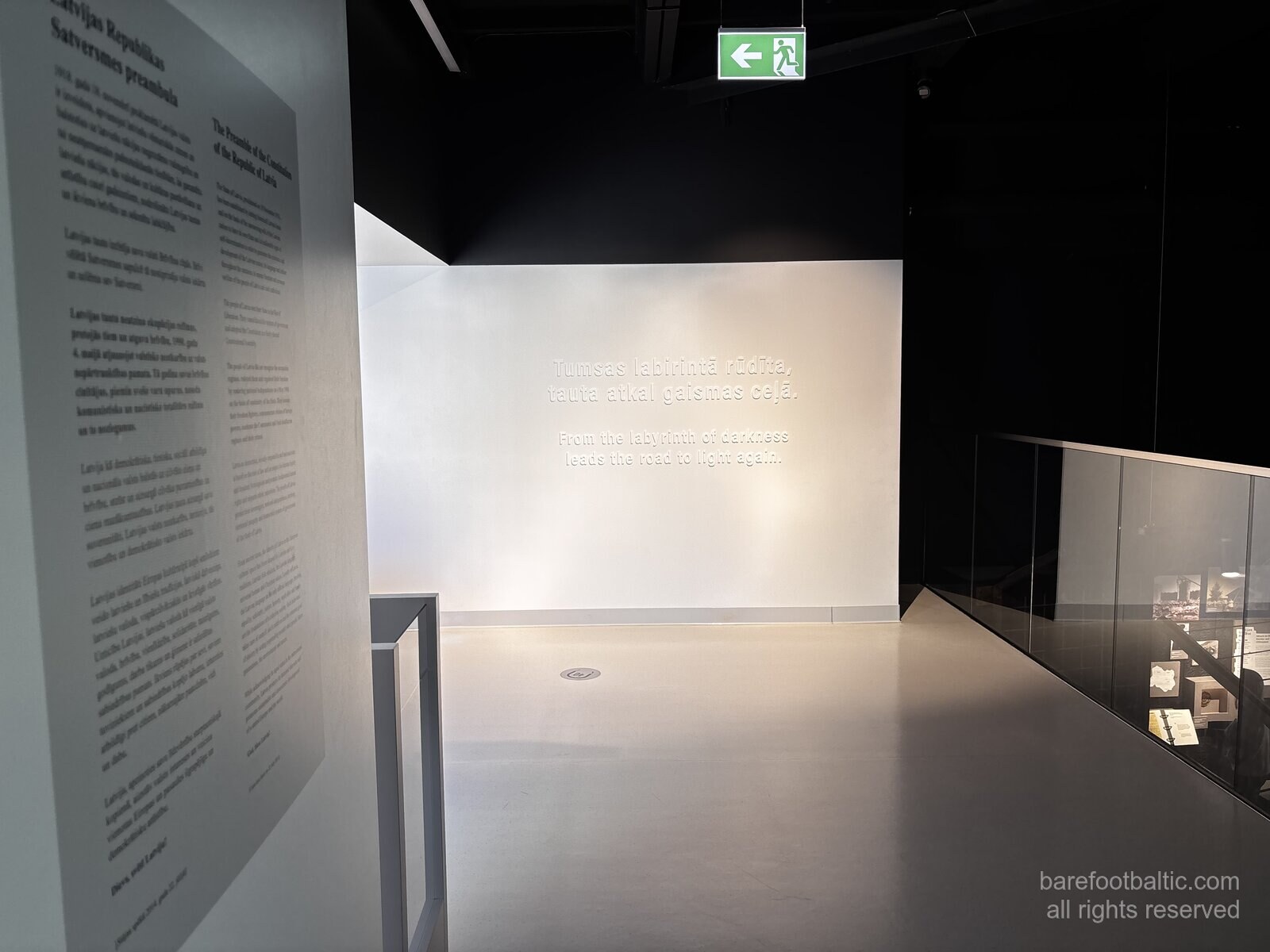
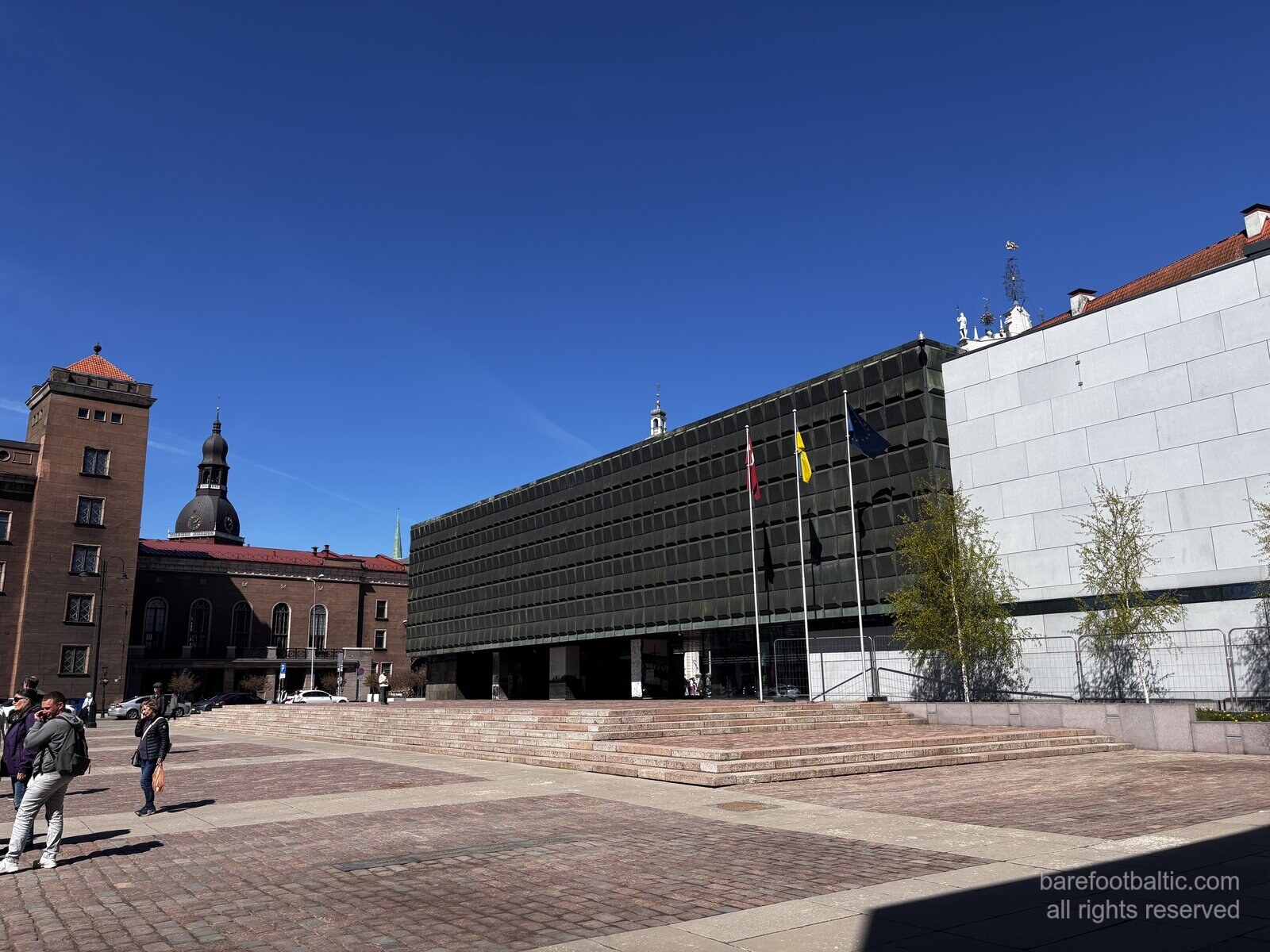
The museum was founded in 1993, two years after independence, and reopened in 2022 after a major renovation. It’s housed in a striking modernist building in the middle of Old Town, directly behind the House of the Blackheads.
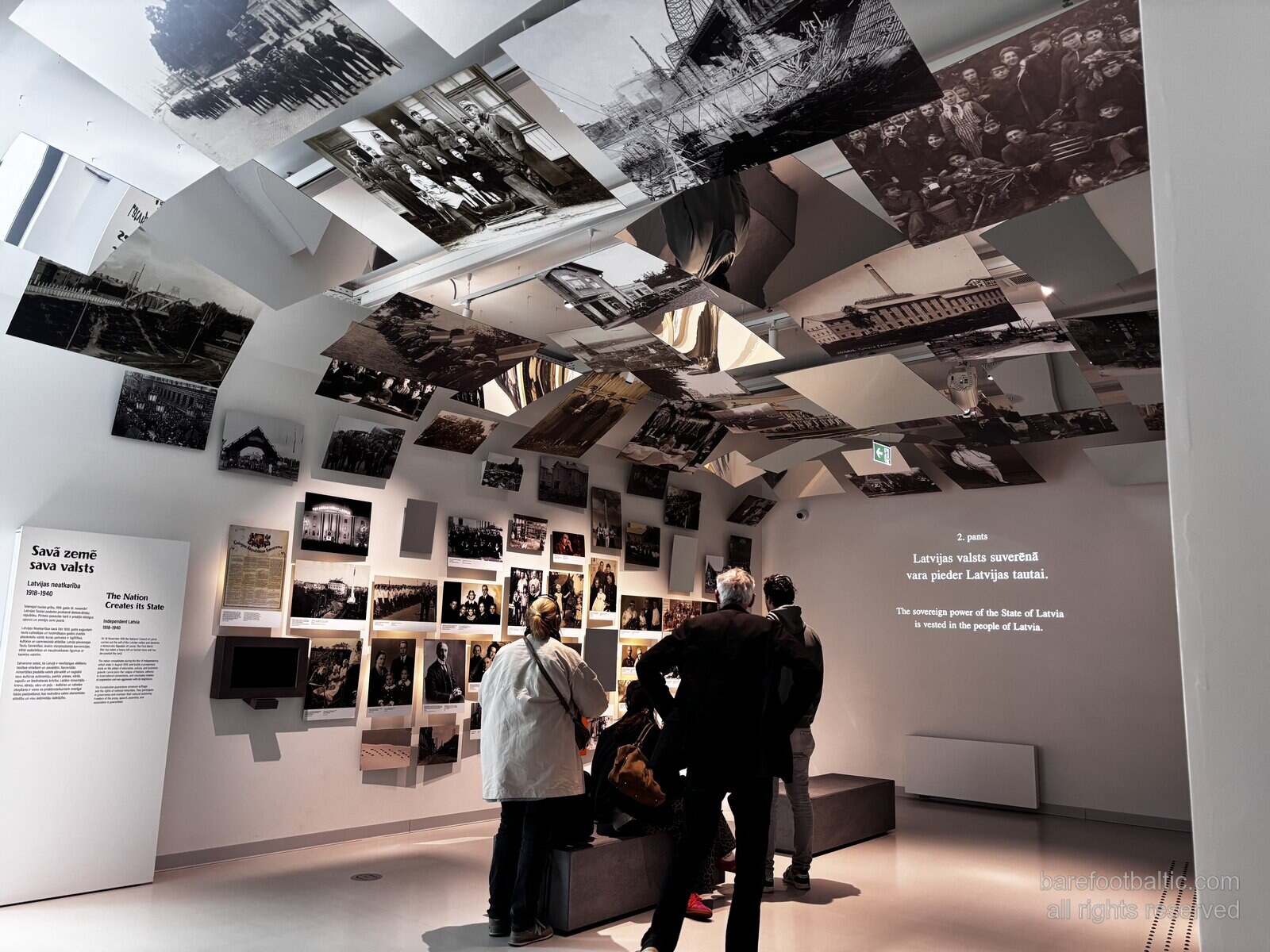
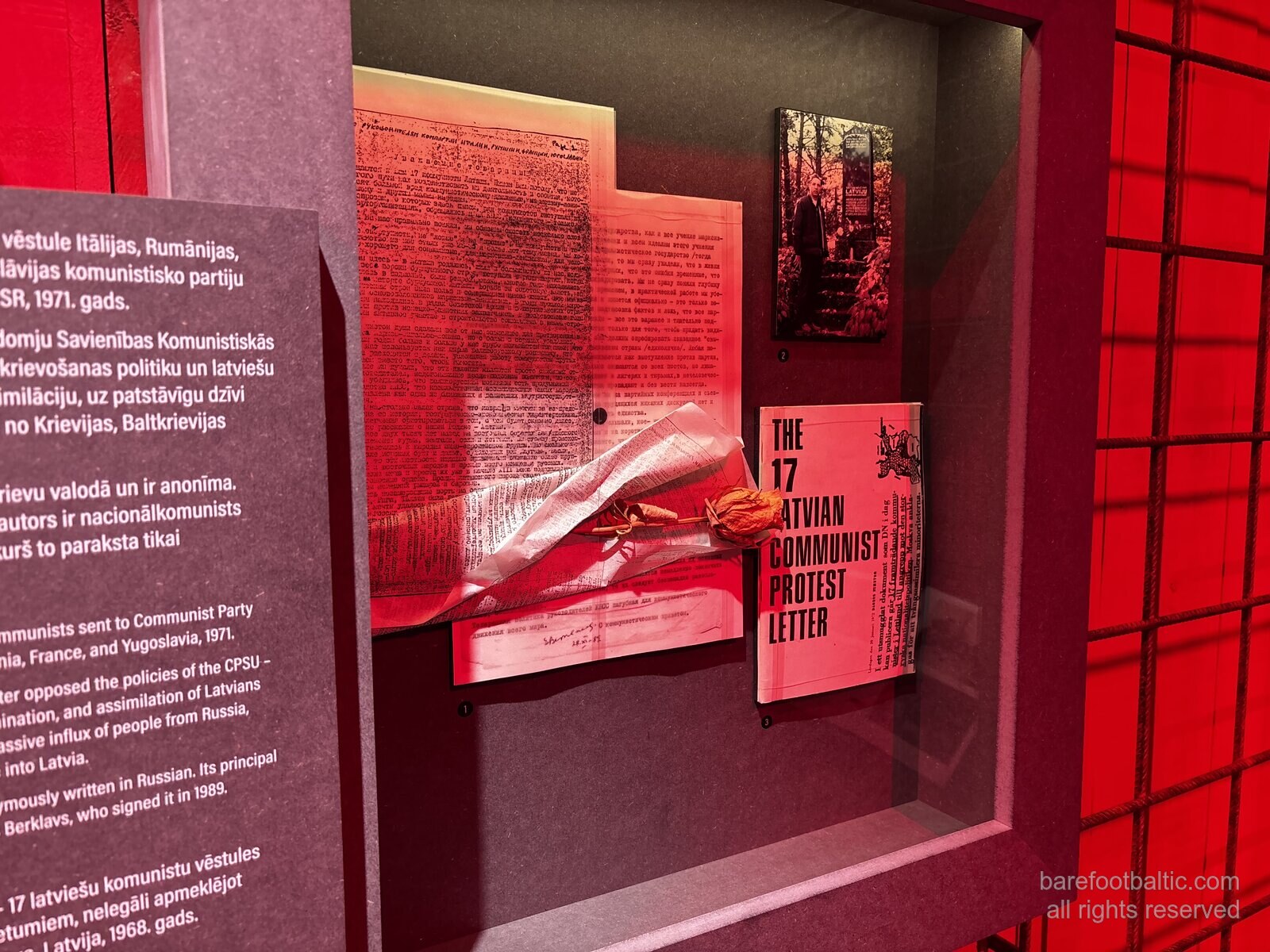
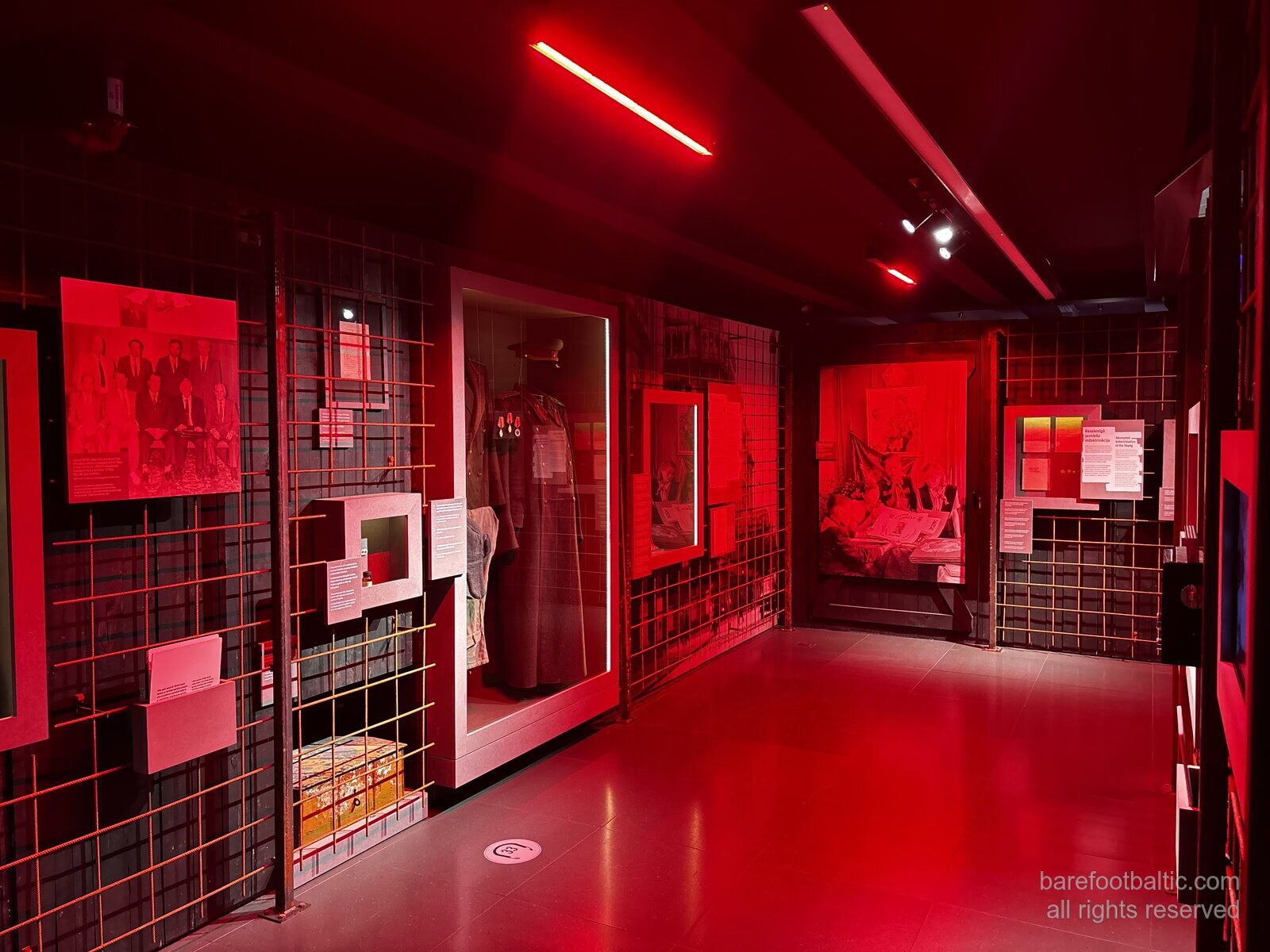
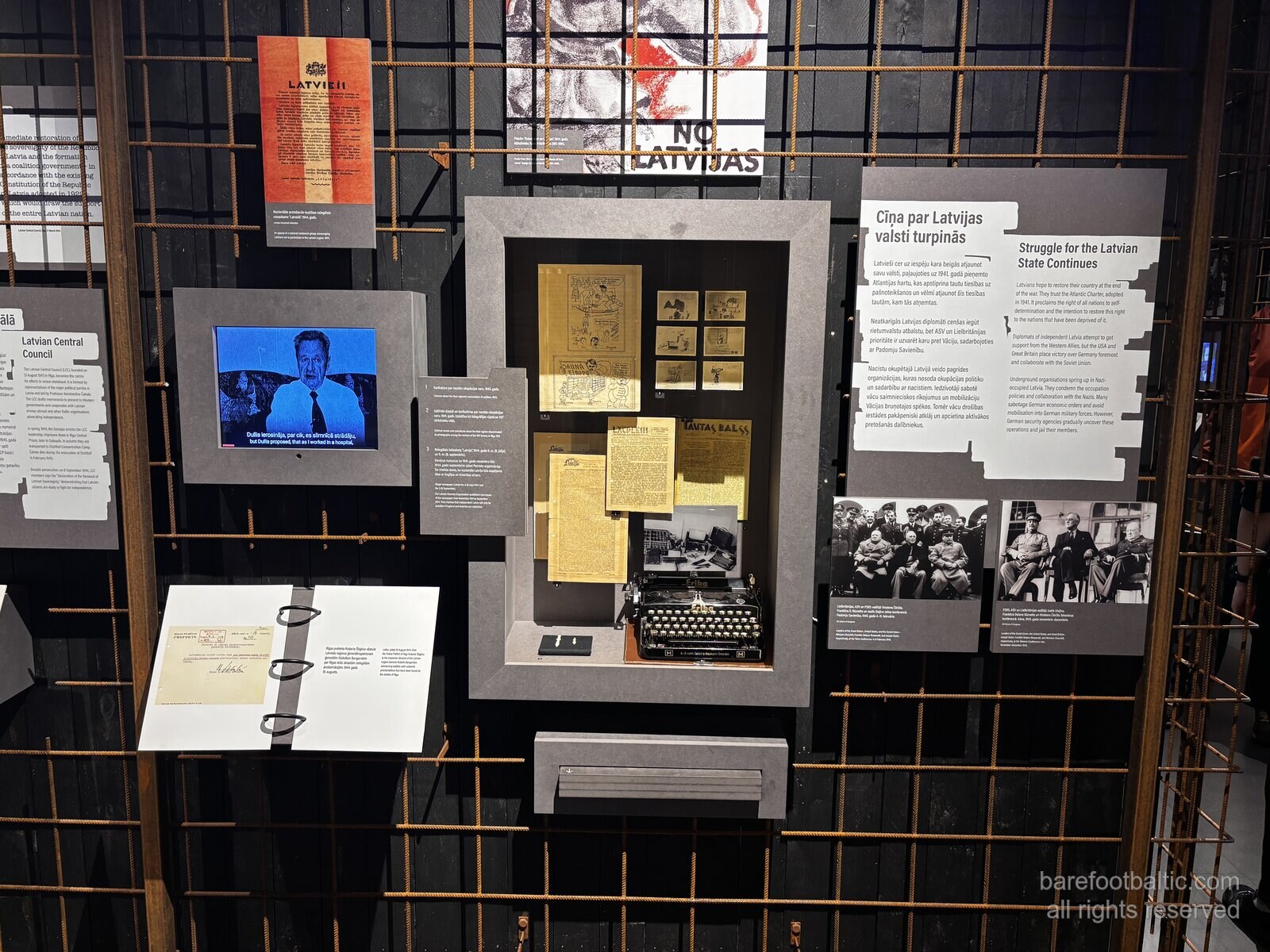
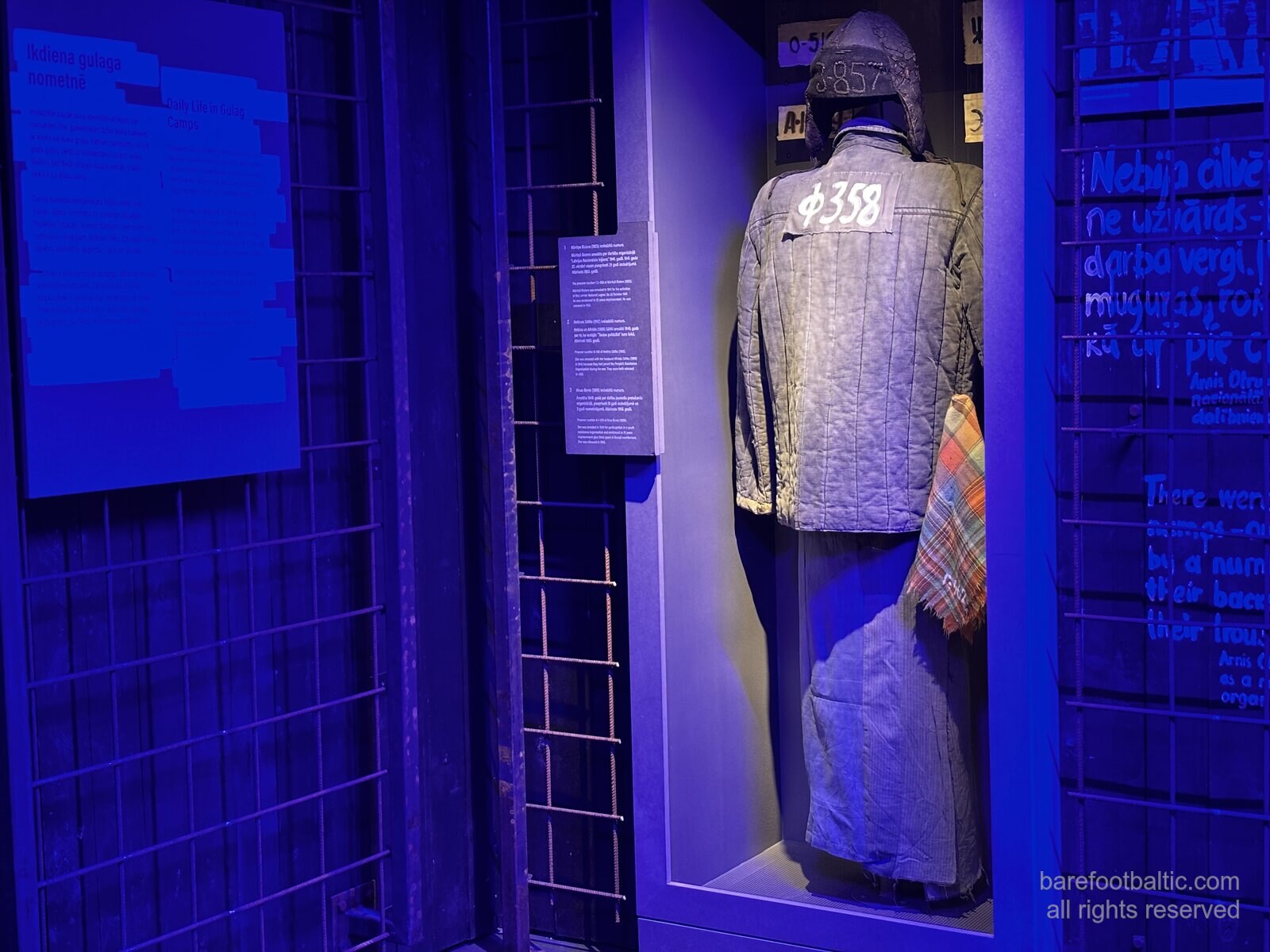
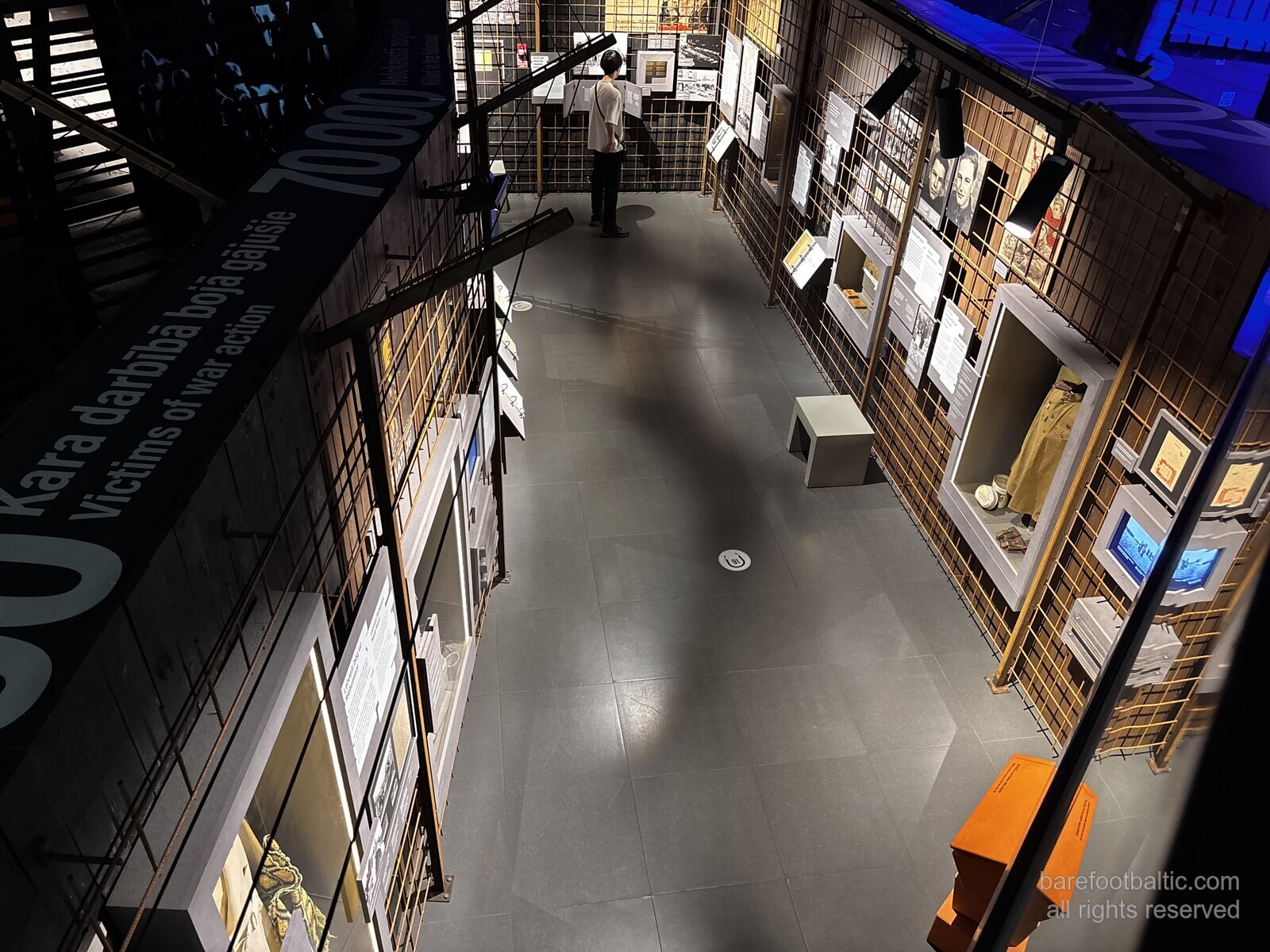
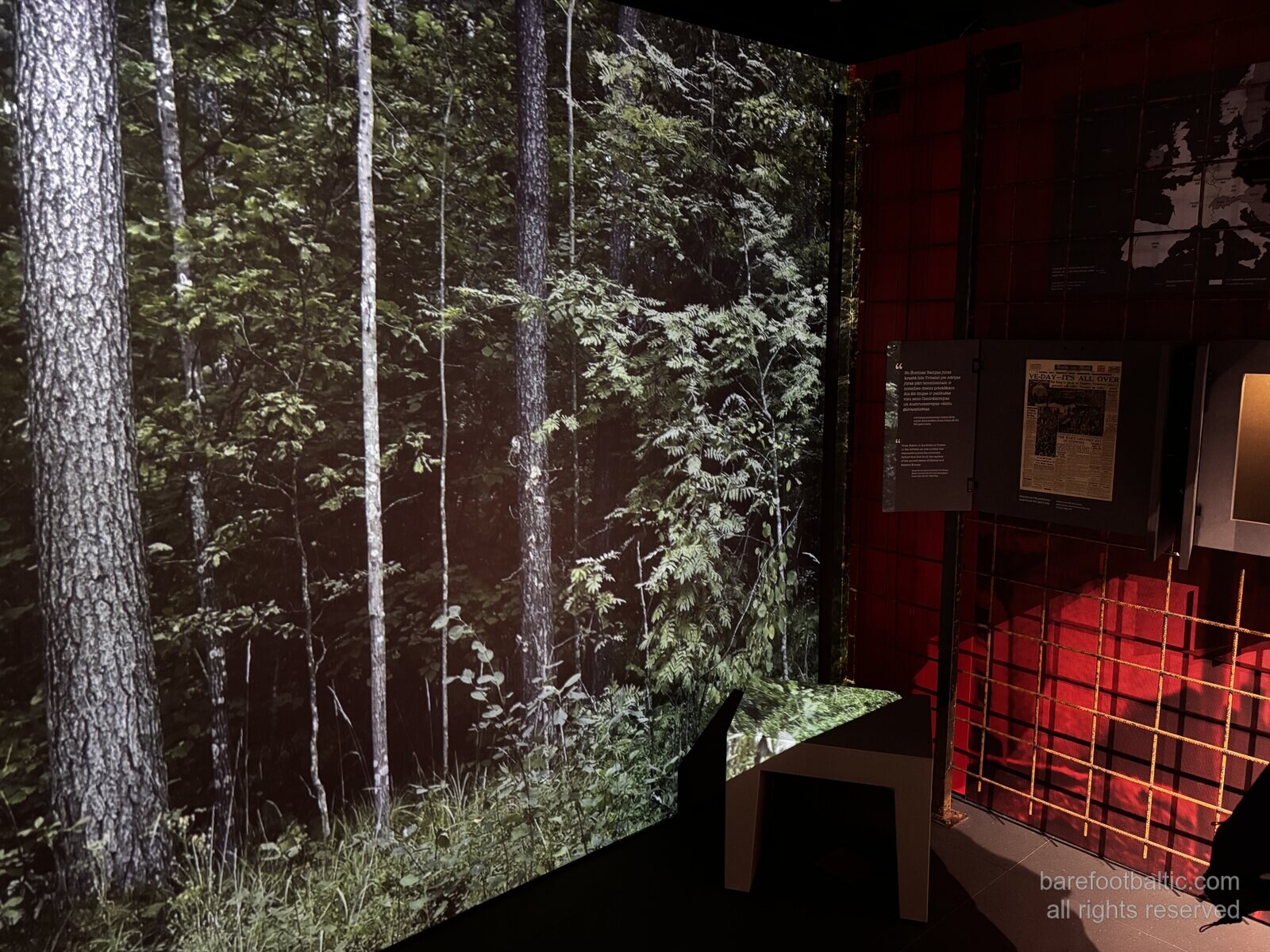
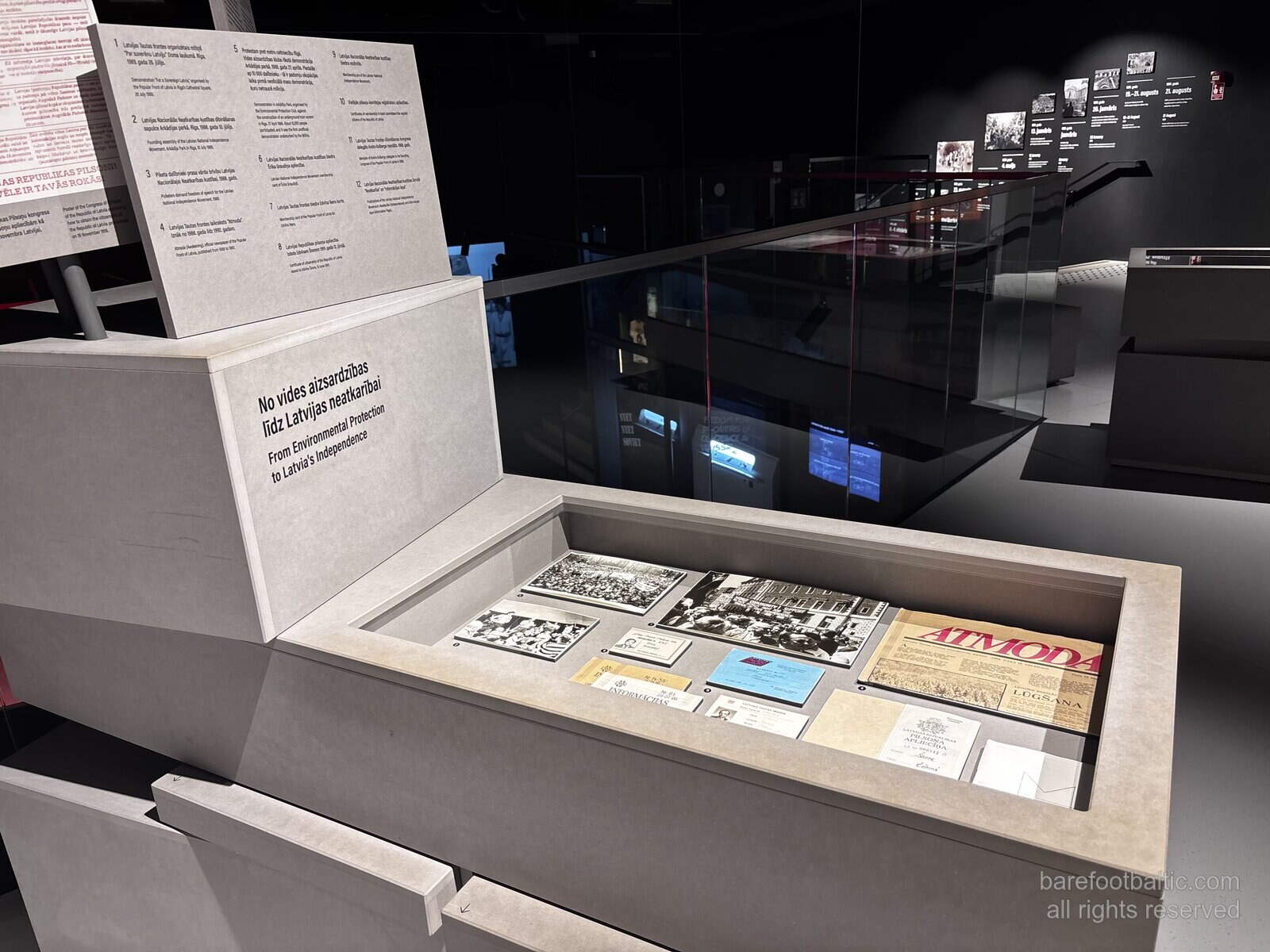
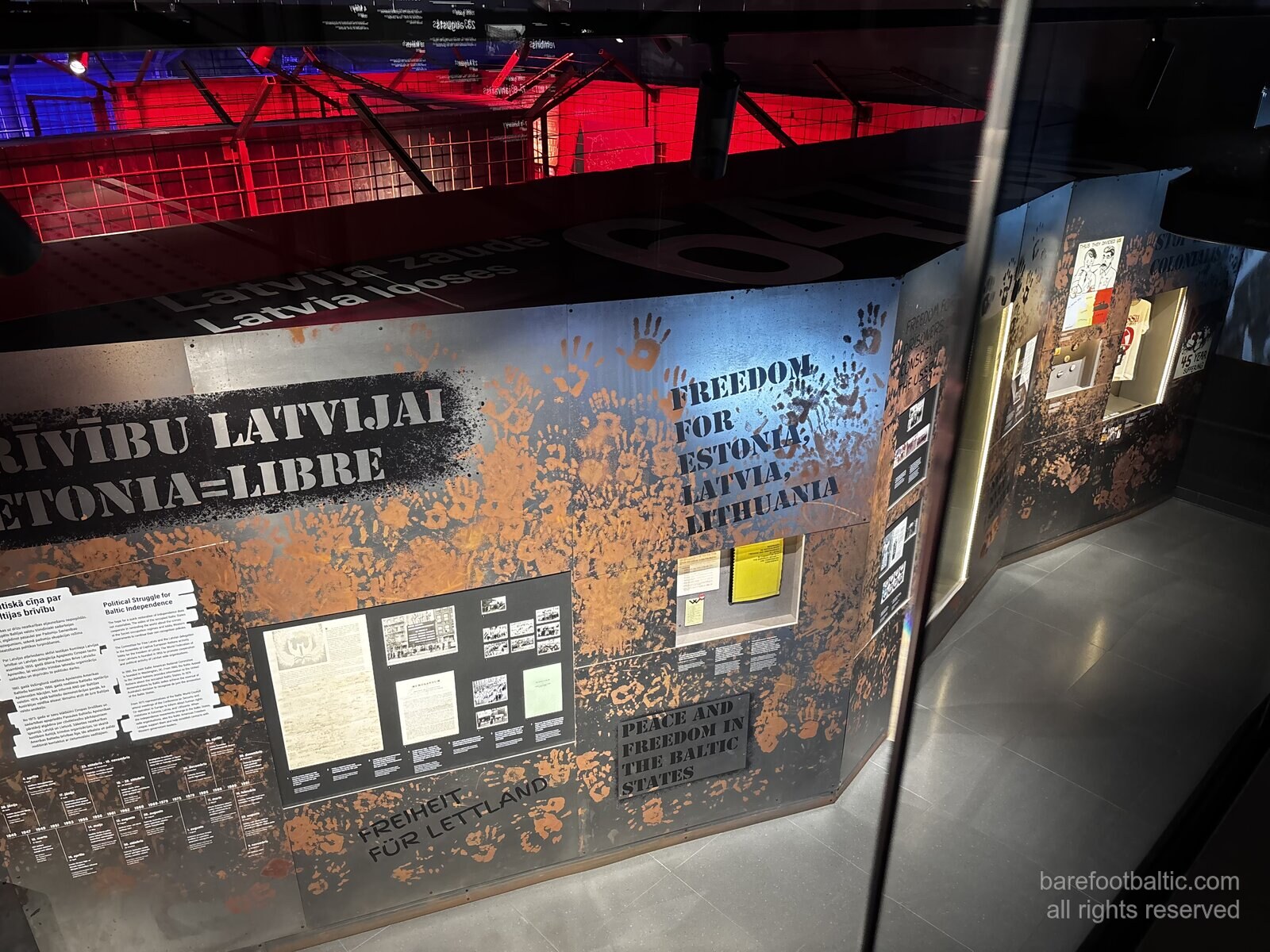
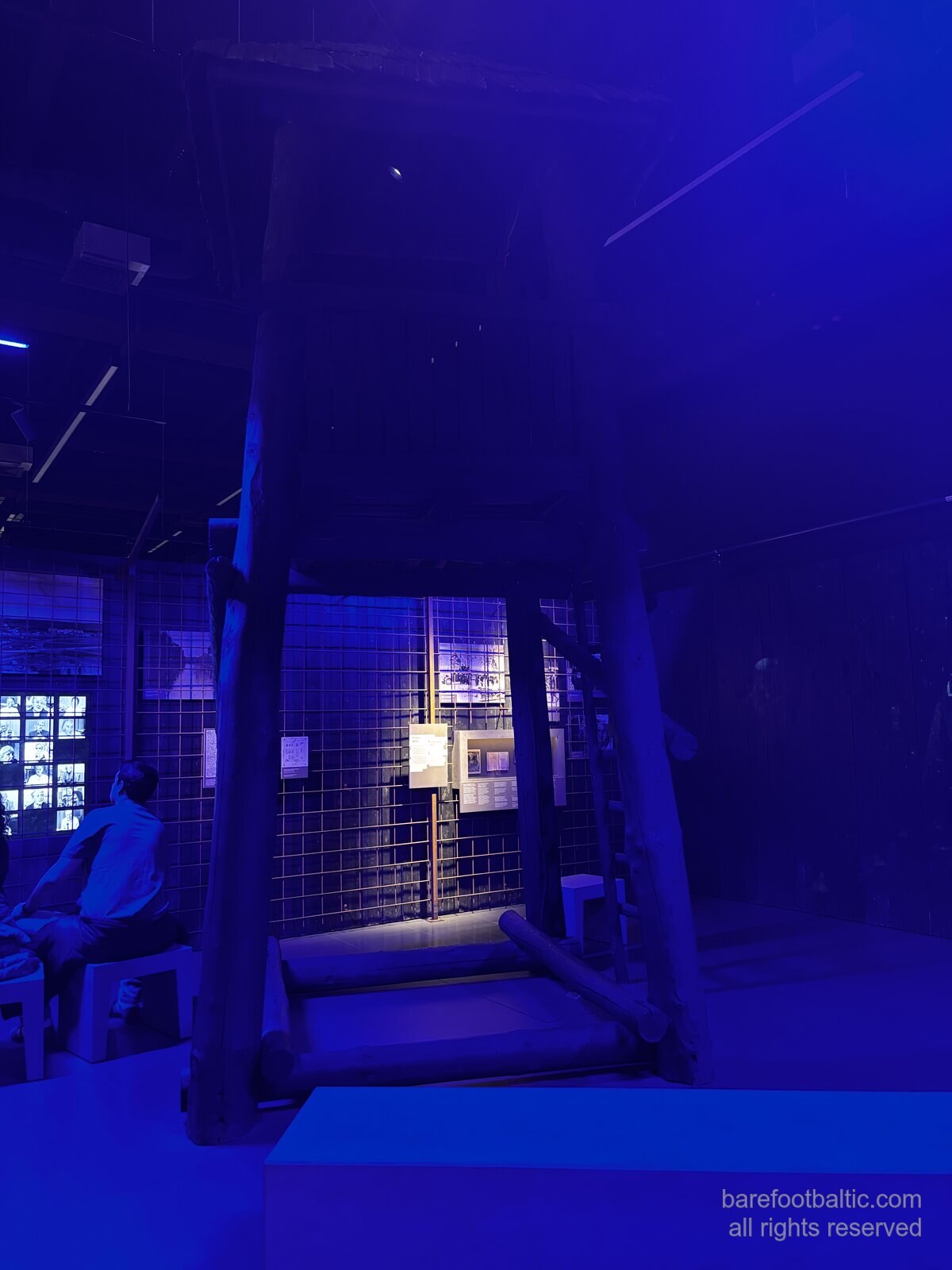
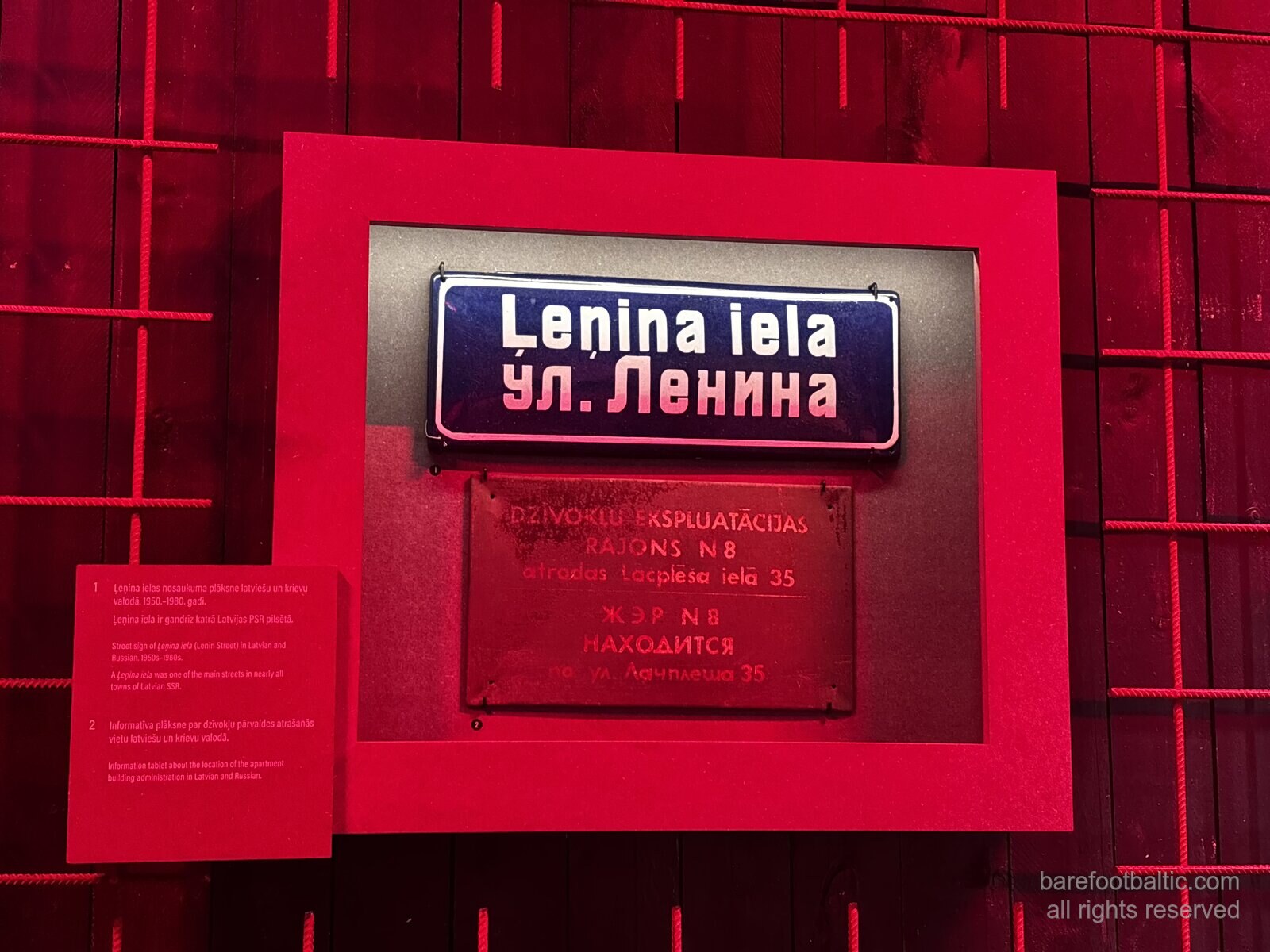
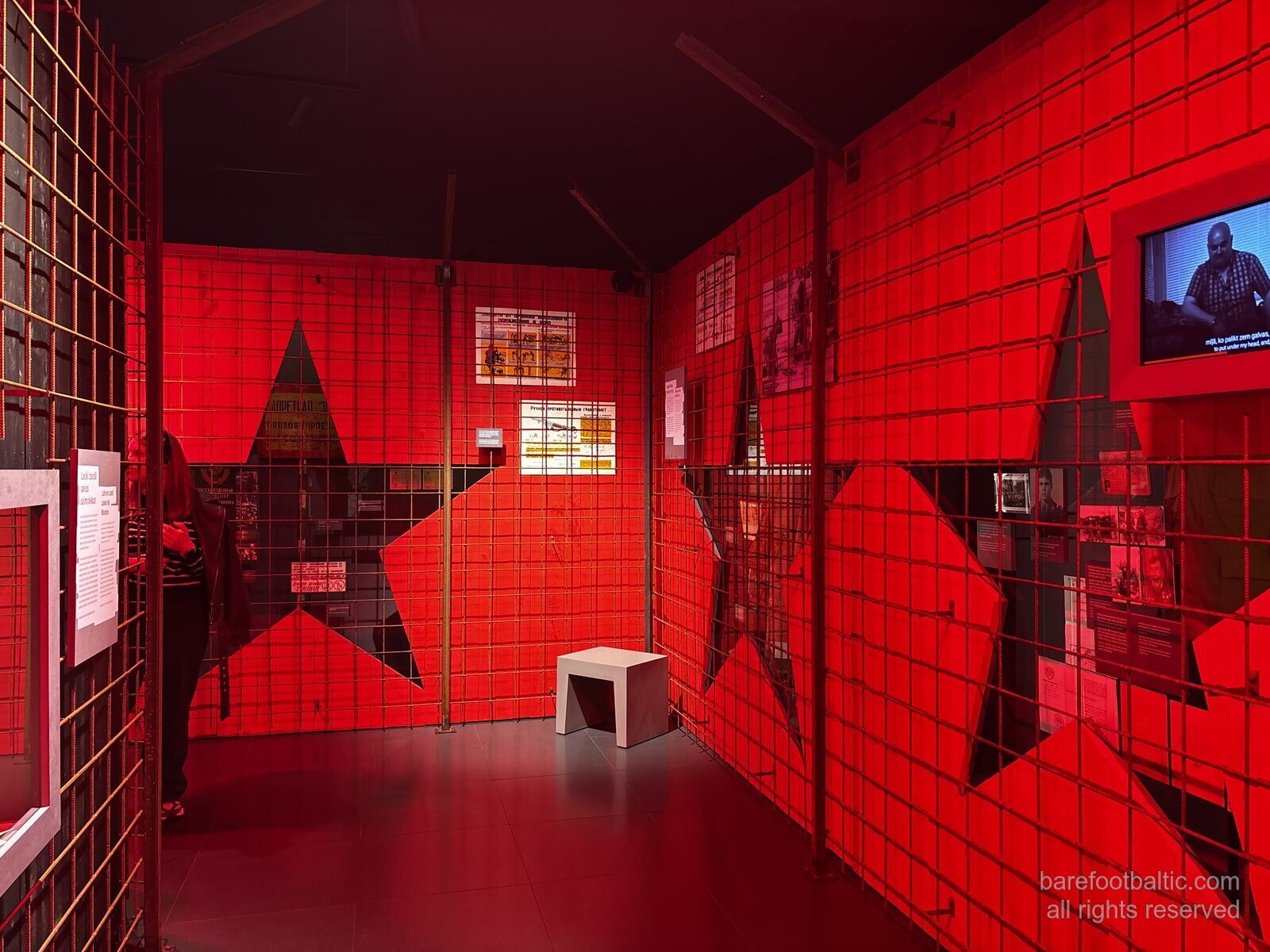
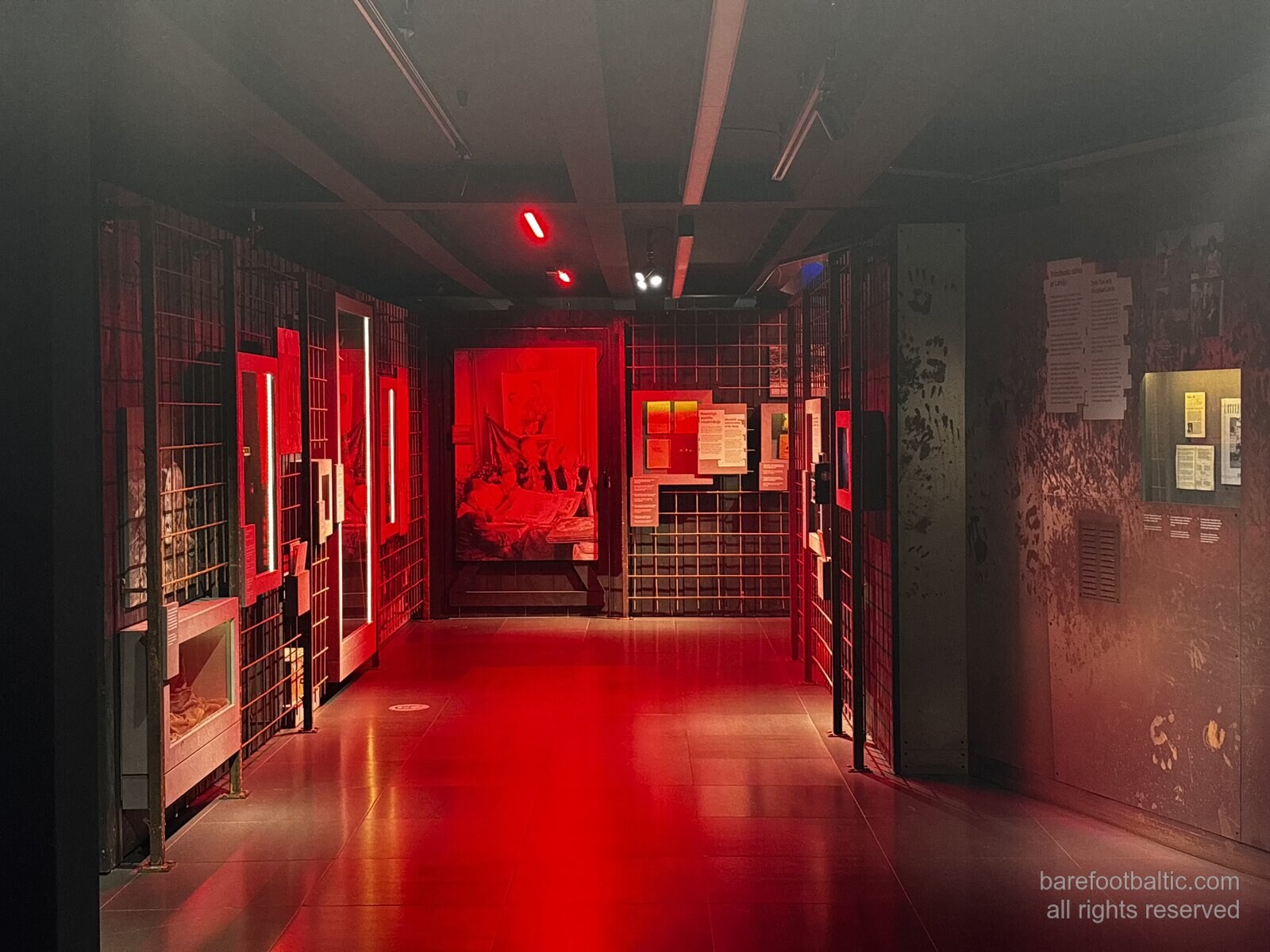
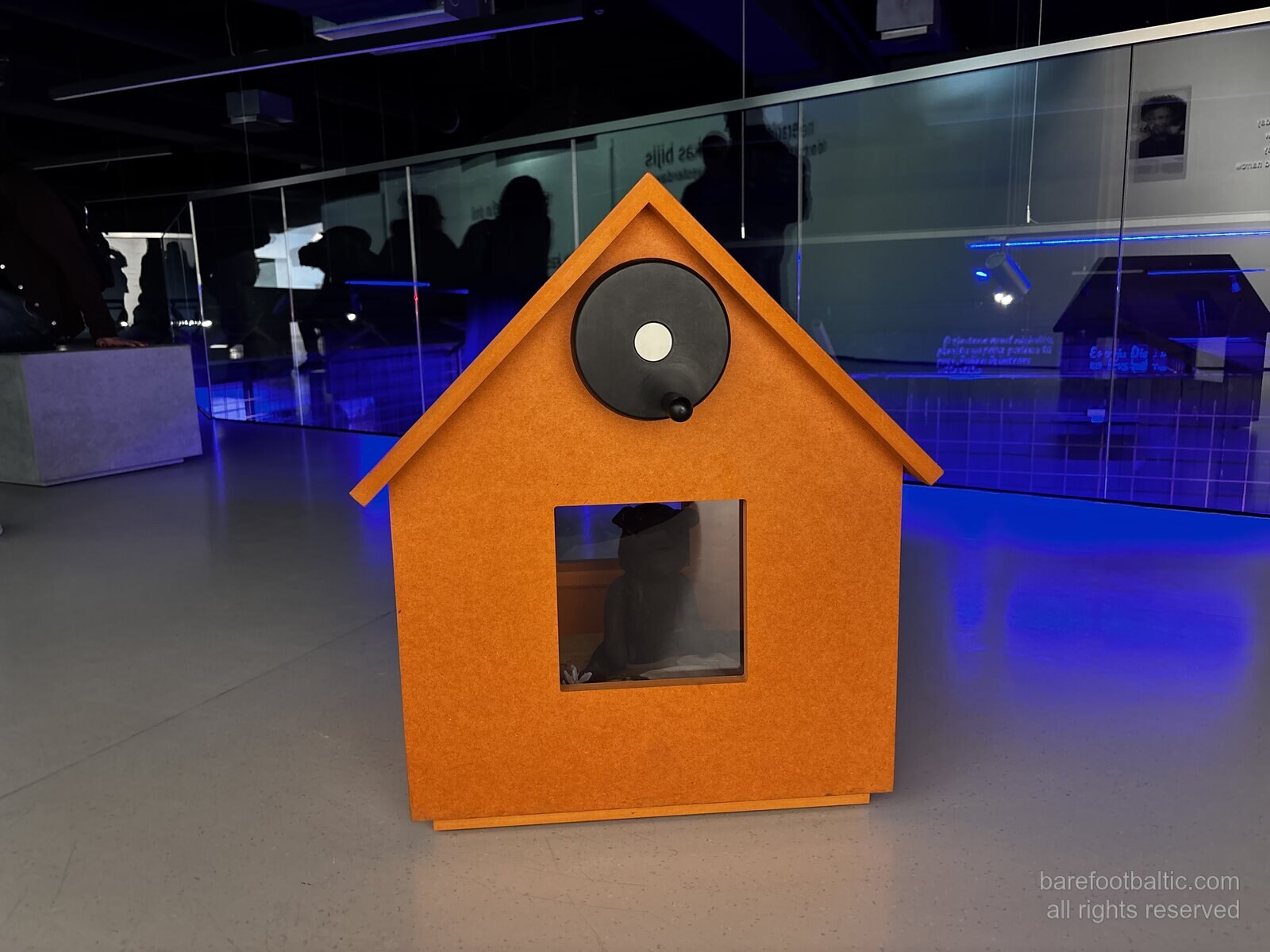
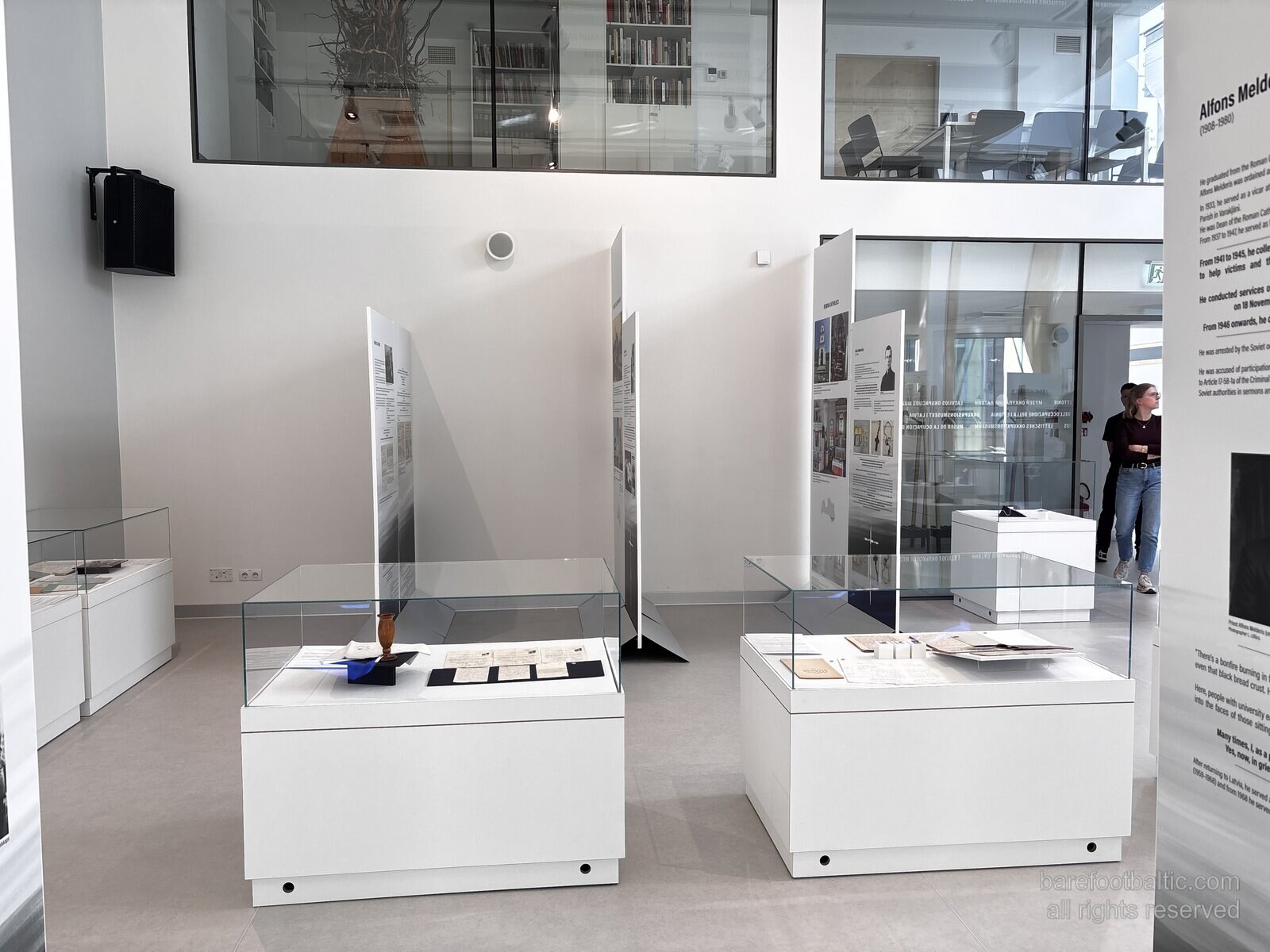
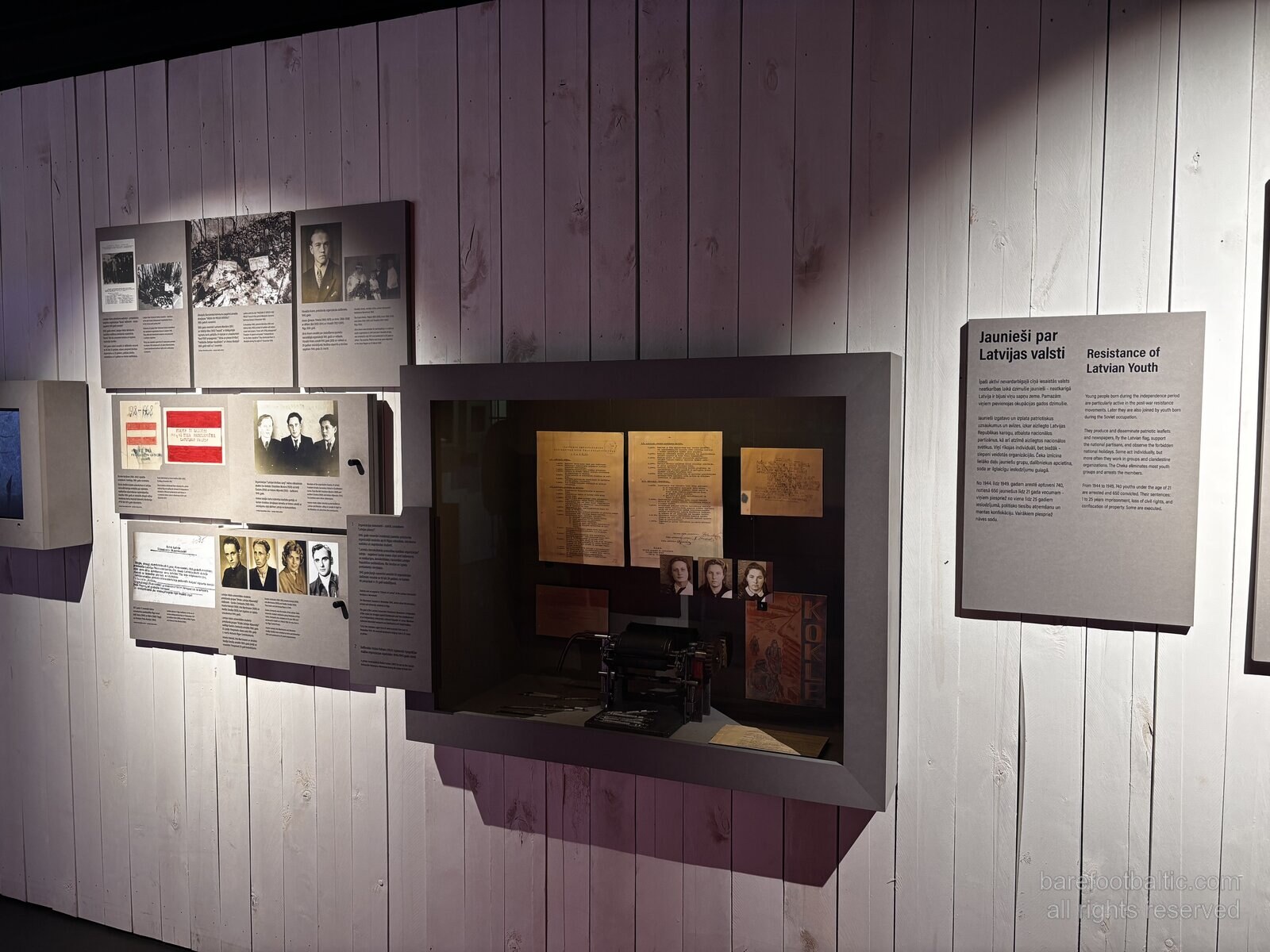
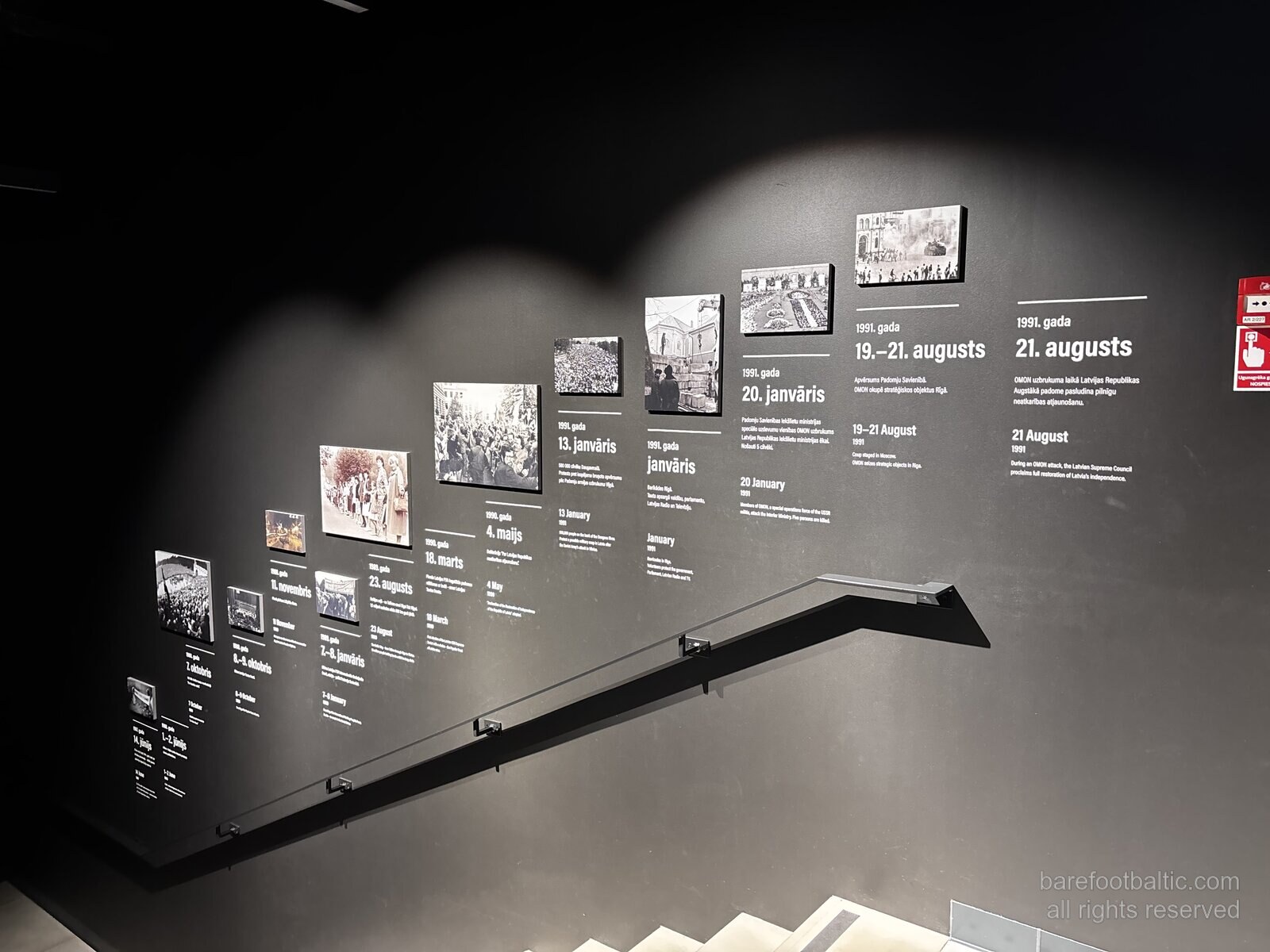
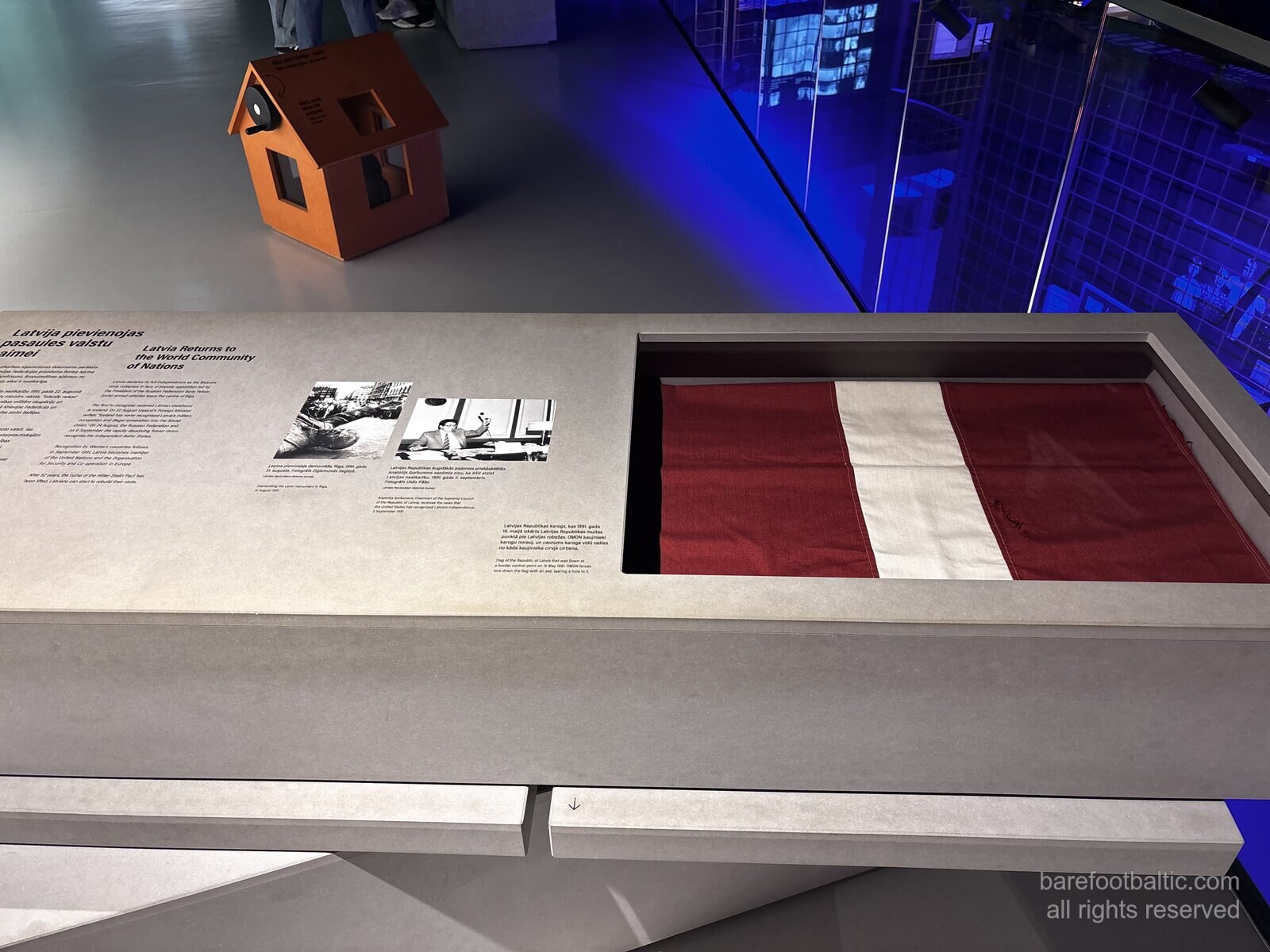
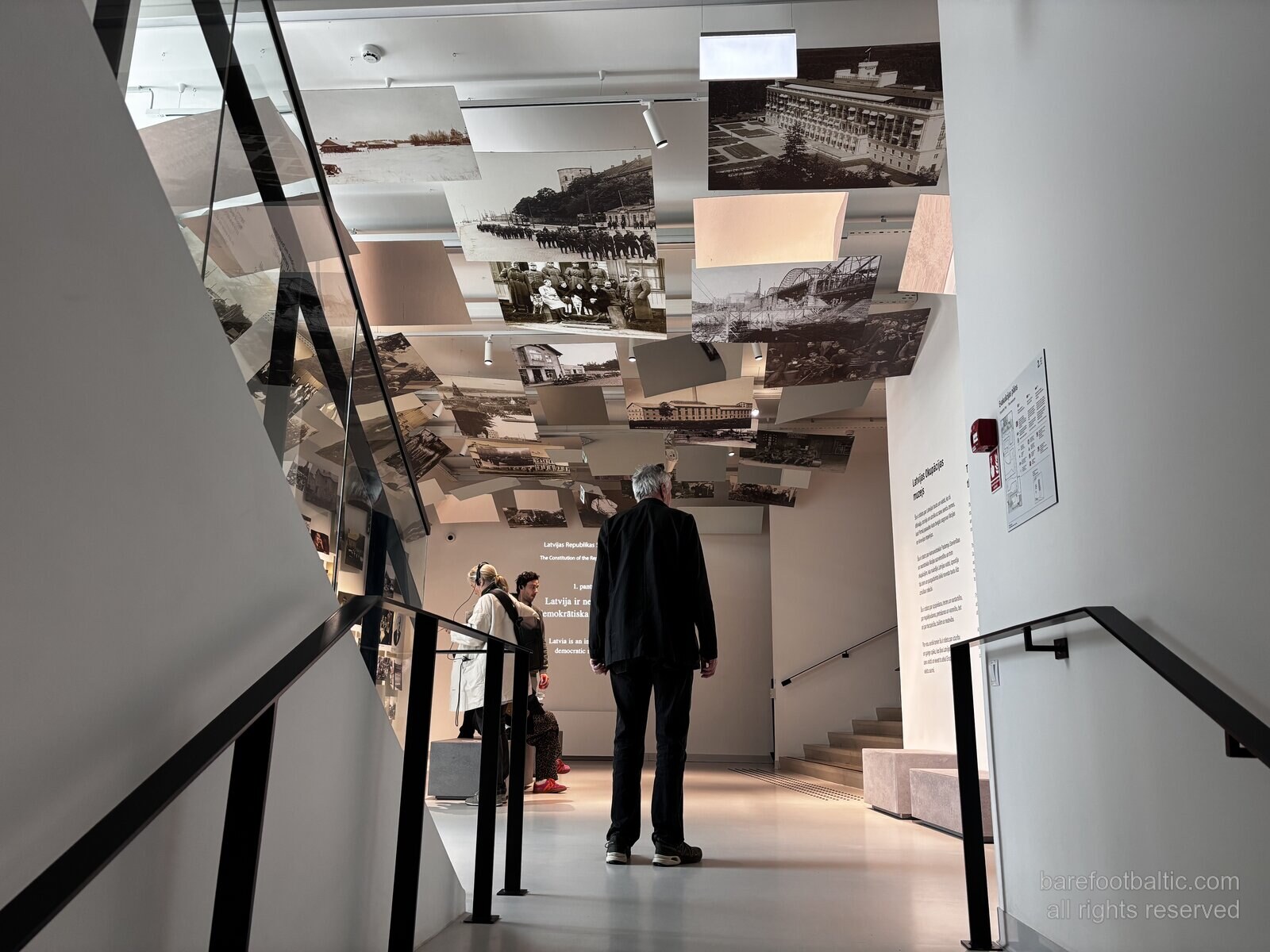
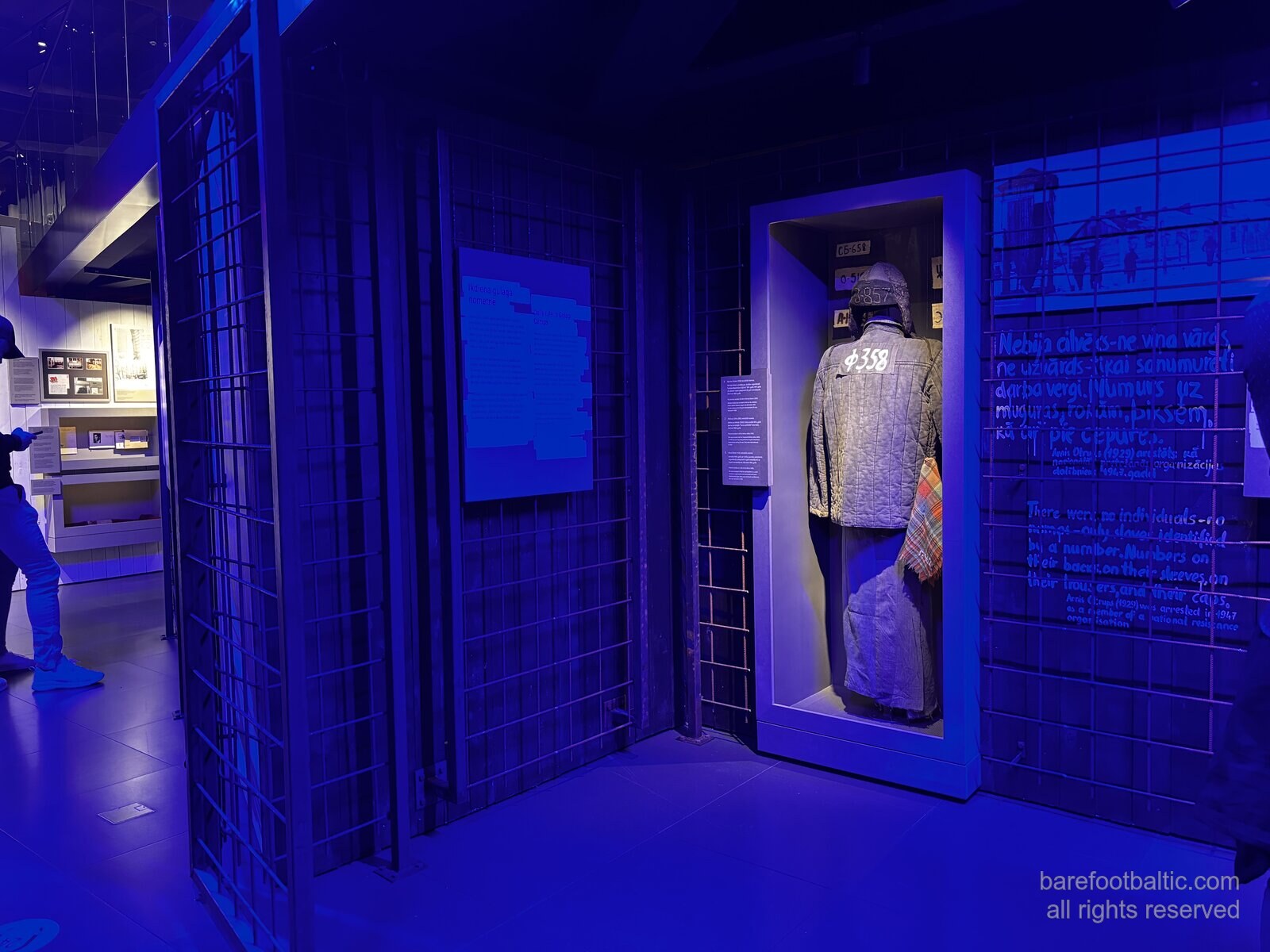
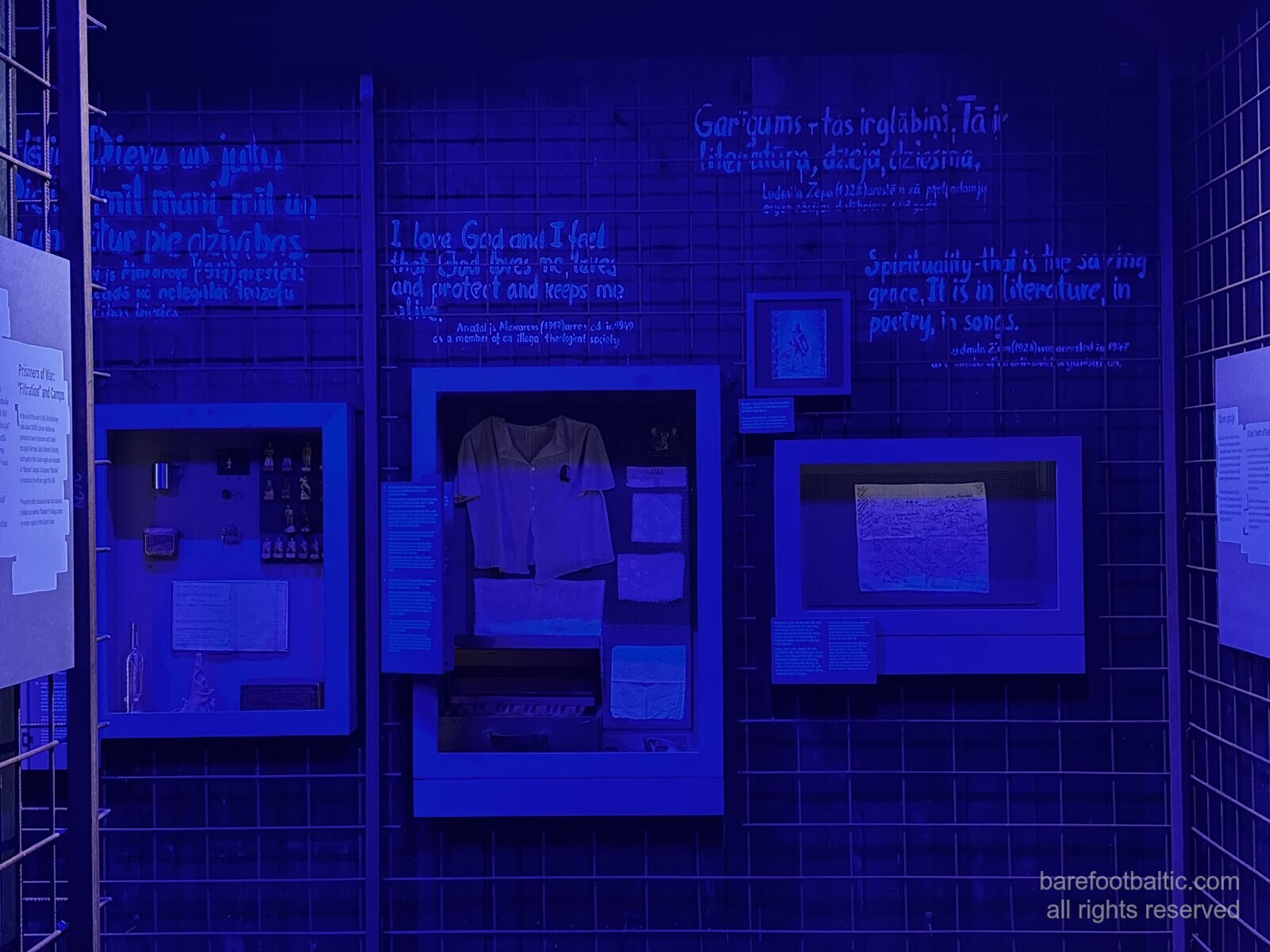
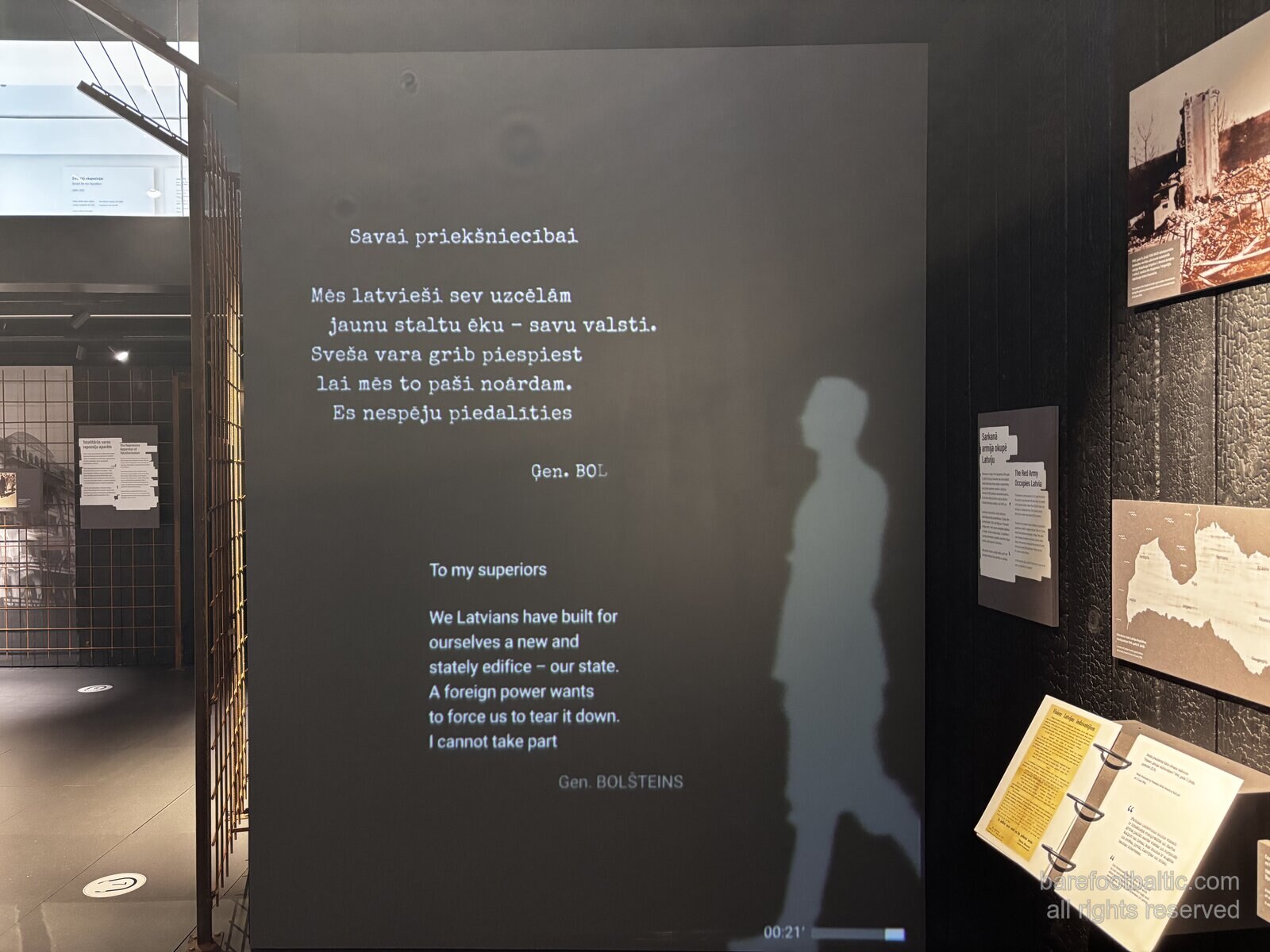
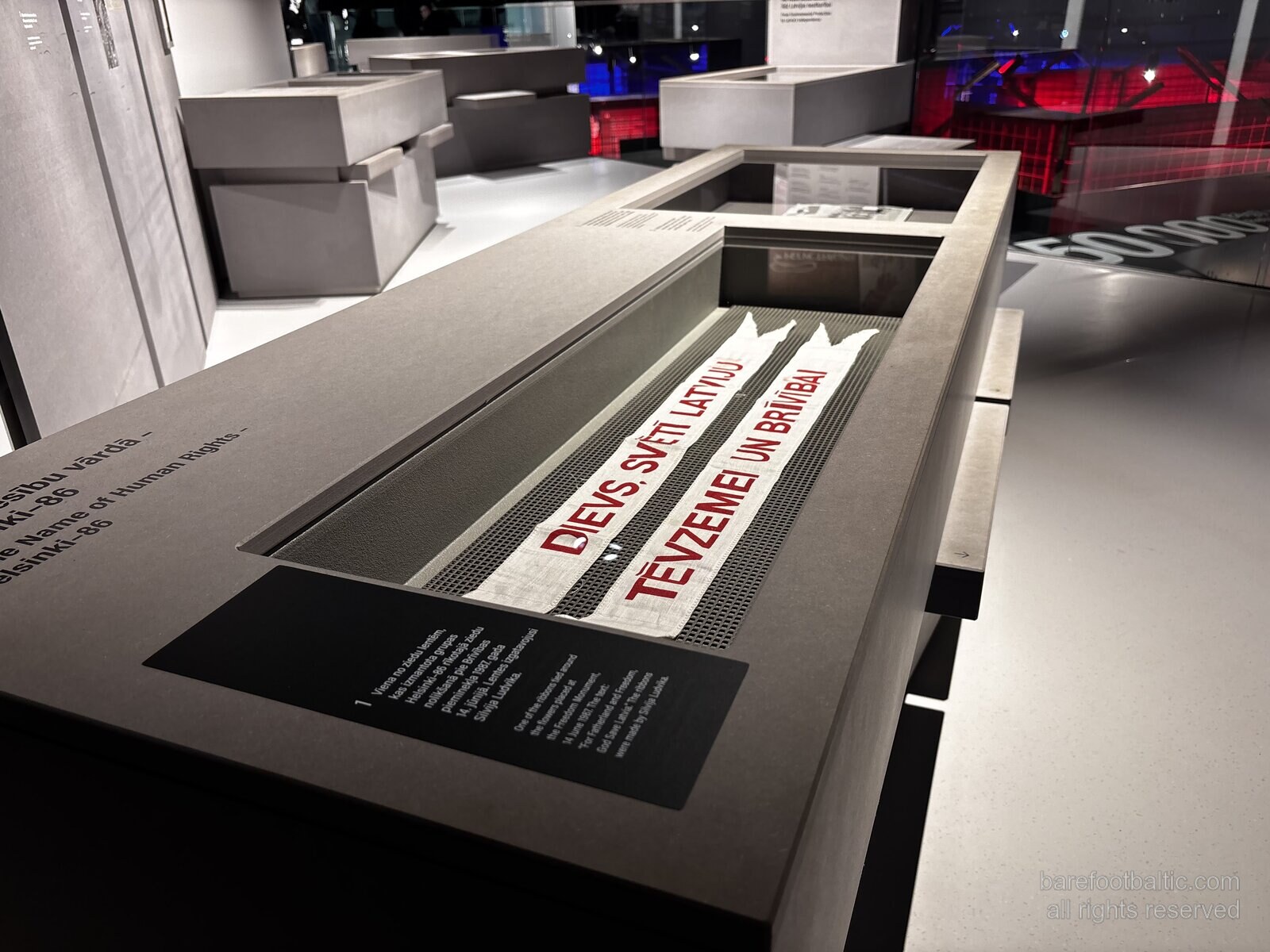
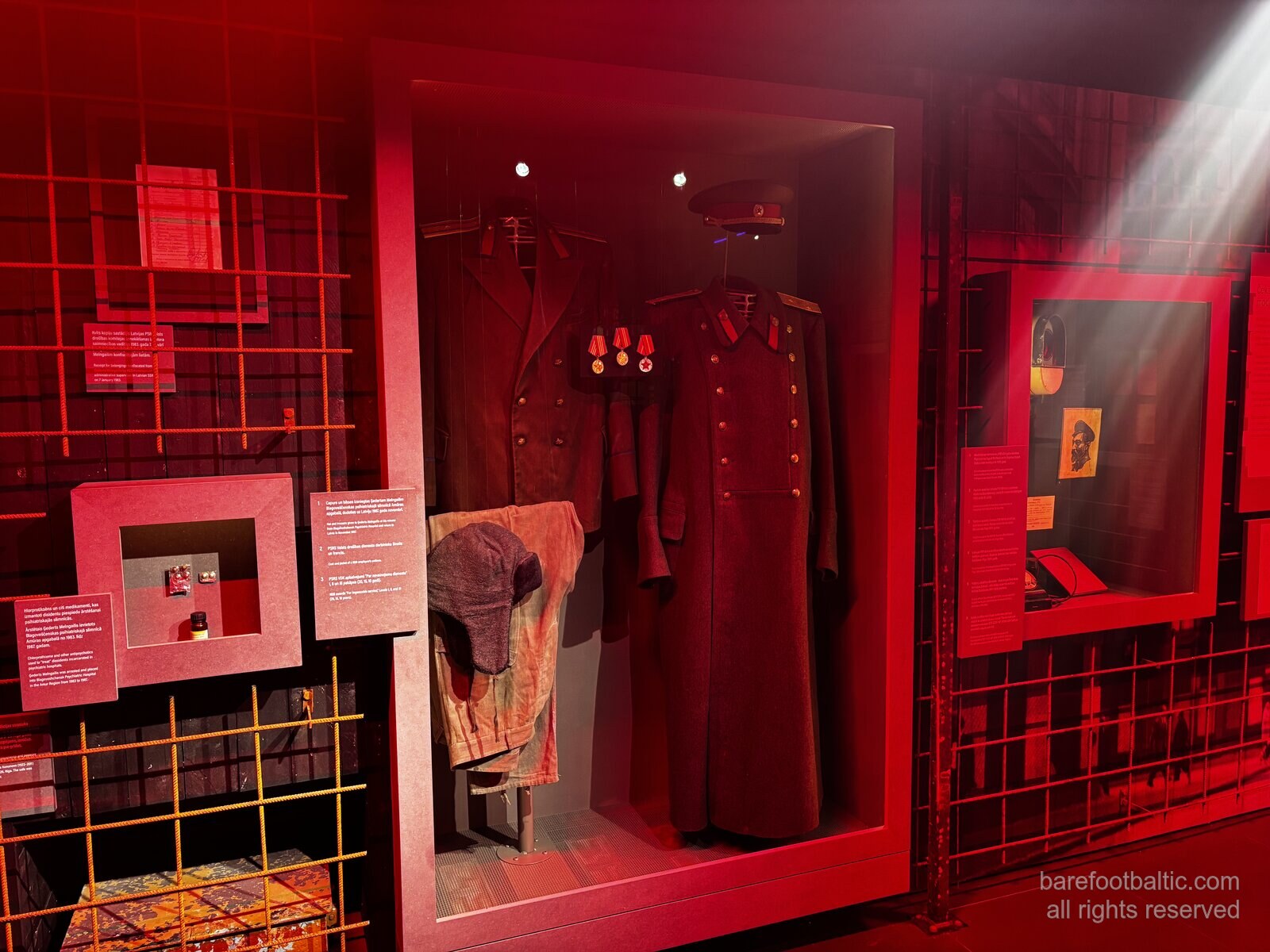
The exhibits work through objects, documents, and personal stories. There is little spectacle. Intergovernmental agreements that traded Latvia between empires. Letters from the Gulag, smuggled out on birch bark. The forged papers people used to survive. Photographs of the “Forest Brothers,” the partisans who kept fighting in the woods for years after the war was officially over. Footage of the Baltic Way in 1989, when two million people across Estonia, Latvia, and Lithuania joined hands in a 600-kilometre human chain to demand independence.
It’s a quiet museum. People speak softly inside. You will see Latvian visitors looking at family names on lists.
Why it deserves your time
Riga has prettier museums. The Art Nouveau Museum is well worth a morning. The National Museum of Art holds work that would not look out of place in Vienna. But the Occupation Museum is the one foreign guests come back to us about, weeks later, saying it changed how they saw the rest of their trip. After it, the cobblestones of the Old Town stop being just decoration. The Freedom Monument stops being just a landmark. The Latvian-language menu in front of you stops being a given.
A good museum shows you the human cost of specific decisions made by specific men in distant capitals. The cost of one leader’s territorial ambition. The cost of an ideology that decided some people were the wrong class, or simply in the way. And what it does to a country to be treated as a piece on a board.
That lesson is not historical for us. It is the same lesson on the news every evening.
We are members of the European Union and NATO. We are building democratic institutions and civil society more or less from scratch. These things take generations, and ours is roughly thirty-five years old. We argue about our own politics, loudly, which is itself a luxury our grandparents did not have. And we hope for a world with fewer wars in it. The museum is part of how we keep that hope honest.
The other building, the Corner House
The museum has a second site, easy to miss the first time round, and it’s a very different experience. This is the former KGB headquarters at Brīvības iela 61, known locally as Stūra māja, the Corner House.
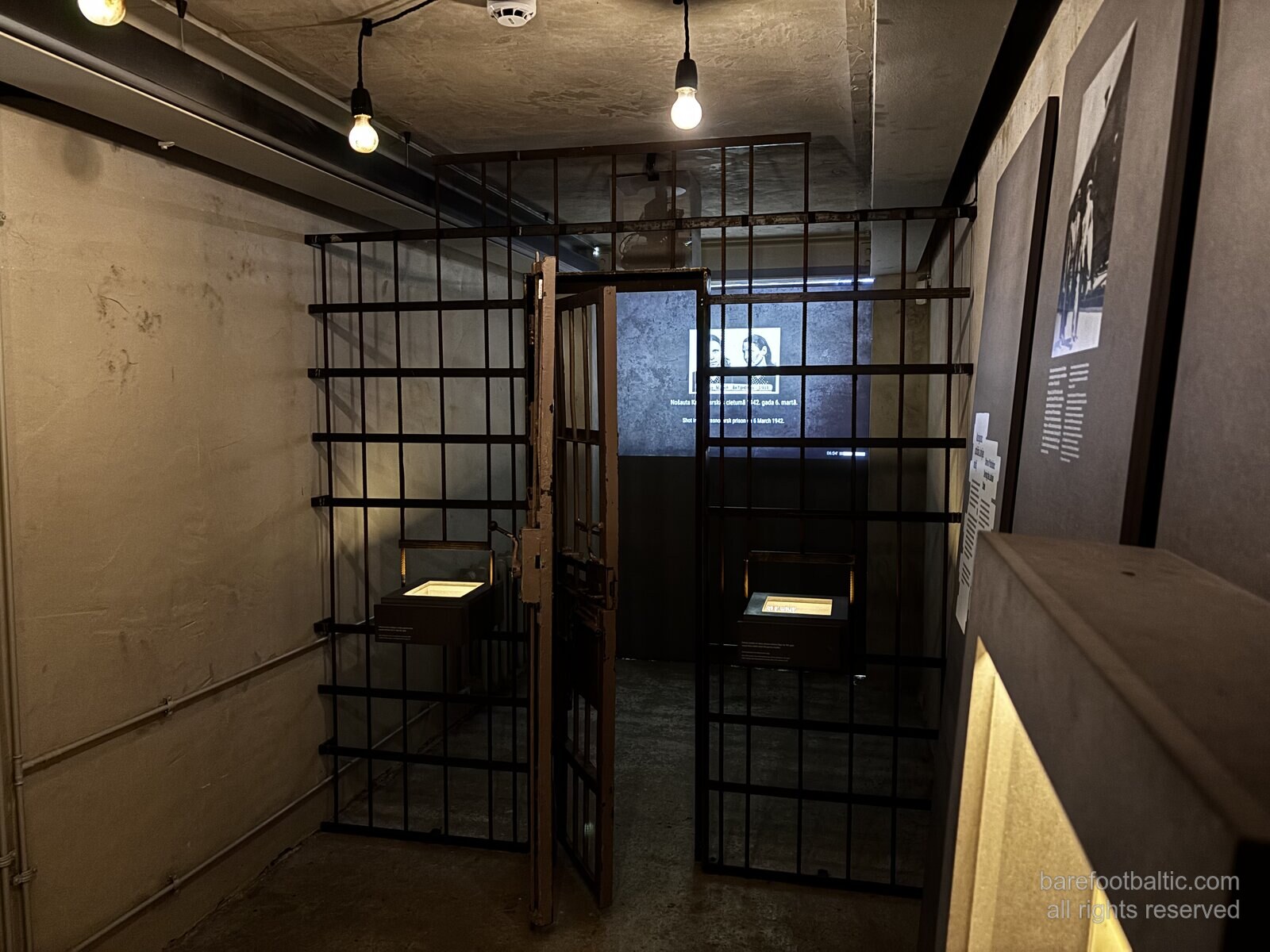
This is the actual building where the Soviet secret police interrogated, imprisoned, and executed people from 1940 to 1991. The basement cells, the corridors, the execution yard. They’re all still there, preserved as they were. The ground-floor exhibition is free to walk through. To see the cells and the upper floors, you join a guided tour led by museum staff (English tours run several times a day). It’s harrowing and unforgettable, and it’s the only place in the city where the abstraction of “occupation” becomes a specific room with a specific door.
The two sites complement each other. The main building gives you the history. The Corner House gives you the place where the history happened. If you have a full day, do both. If you only have time for one, the main building is the better starting point.
Practical information
Main exposition, Latviešu strēlnieku laukums 1
| Detail | Information |
|---|---|
| Hours | 10:00 to 18:00 daily. Thursdays open until 19:00. Closed 1 January, 23 to 24 June (Jāņi), and 24 to 26 and 31 December. |
| Tickets | €8 adults, €5 students. Free for under-18s, persons with disabilities and a companion, Ukrainian citizens, and on five national commemoration days (25 March, 4 May, 14 June, 4 July, 18 November). |
| Audio guide | €4. Available in English, German, Italian, Ukrainian, Estonian, Lithuanian, Russian, and Latvian. |
| Guided tours (English) | €15 per adult, €9 per student, daily on the hour from 11:00 to 16:00. Pre-booked private tours are €25 per person. |
| Walking time from Old Town | 5 minutes from the Freedom Monument, about 10 minutes from Riga Central Station. Plan on 90 minutes inside, or two hours if you take a guided tour. |
Worth the €15 for the guided tour. The guides are excellent and the exhibits land much more strongly with their commentary running underneath.
KGB Building (Corner House), Brīvības iela 61
| Detail | Information |
|---|---|
| Hours | 10:30 to 17:30 daily. Closed 1 January, 23 to 24 June, 18 November, and 24 to 26 and 31 December. |
| Tickets | Ground-floor exhibition free. Guided tour of the cells and upper floors costs €15 per person, €9 students aged 12+. Free for politically repressed persons and persons with disabilities. |
| English tours | 11:00, 12:00, 13:00, 15:00, and 16:00. Latvian tour at 14:00. Arrive ten minutes early. The guide meets you at the far end of the main exhibition hall. |
| Accessibility | The cells are not accessible to visitors with limited mobility. Tour not recommended for children under 12. |
| How to get there | About 15 minutes’ walk from the main museum, or two stops on tram 11 from Brīvības bulvāris. Tickets via bezrindas.lv. |
The official site is okupacijasmuzejs.lv. Check it before you go, as opening hours occasionally shift around state holidays.
On our excursions
We don’t include the Occupation Museum on our day trips out of Riga. It deserves an unhurried half-day of its own. But we mention it to almost every guest who asks what to do with their free day in the city.
The bog walks, the palaces, the medieval castles. Those tell you what Latvia looks like. The Occupation Museum tells you what Latvia is.
The Occupation Museum and the KGB Corner House are the two anchors we use when guests want to understand 20th-century Latvia in one day. Get in touch and we'll build a half-day around them.